In a world increasingly driven by digital connections and performance-based marketing, the concept of an affiliate advertising program has evolved from a niche strategy to a cornerstone of modern e-commerce and content monetization. If you’ve ever purchased a product after reading a review, clicked a link from your favorite influencer, or signed up for a service recommended by a blog, you’ve likely interacted with an affiliate advertising program. This powerful model allows businesses to extend their reach through a network of partners, while providing individuals and content creators with a viable, often lucrative, income stream. But how does it all work, and more importantly, how can you, as either a prospective merchant or an aspiring affiliate, leverage it effectively in 2025?
I remember my early days trying to make sense of online marketing. The sheer volume of jargon and conflicting advice was overwhelming. It felt like everyone was talking about “passive income” and “making money while you sleep,” but the pathway to achieving it seemed shrouded in mystery. Then I stumbled upon affiliate marketing. It wasn’t a magic bullet, but it was a clear, understandable framework for connecting products with people who needed them, and getting rewarded for it. It transformed my approach to online business, shifting my focus from simply driving traffic to driving value and conversions. This article aims to demystify the affiliate advertising program, providing you with a clear, authoritative guide to navigate its complexities and harness its immense potential in 2025.
Table of Contents
Key Takeaways
- Understanding the Core: An affiliate advertising program is a performance-based marketing model where businesses reward affiliates for driving traffic or sales through their marketing efforts.
- Roles & Relationships: It involves four key players: the merchant, the affiliate, the consumer, and the affiliate network (optional but common).
- Diverse Commission Models: Affiliates can earn through various methods, including pay-per-sale (PPS), pay-per-lead (PPL), and sometimes pay-per-click (PPC).
- Strategic Advantages: For merchants, it offers low-risk, scalable marketing. For affiliates, it provides a flexible, low-overhead business model.
- Future Trends & Best Practices (2025): Success in 2025 hinges on authenticity, ethical practices, leveraging AI and data analytics, and focusing on evergreen content and niche authority.
Deconstructing the Affiliate Advertising Program: How It Works
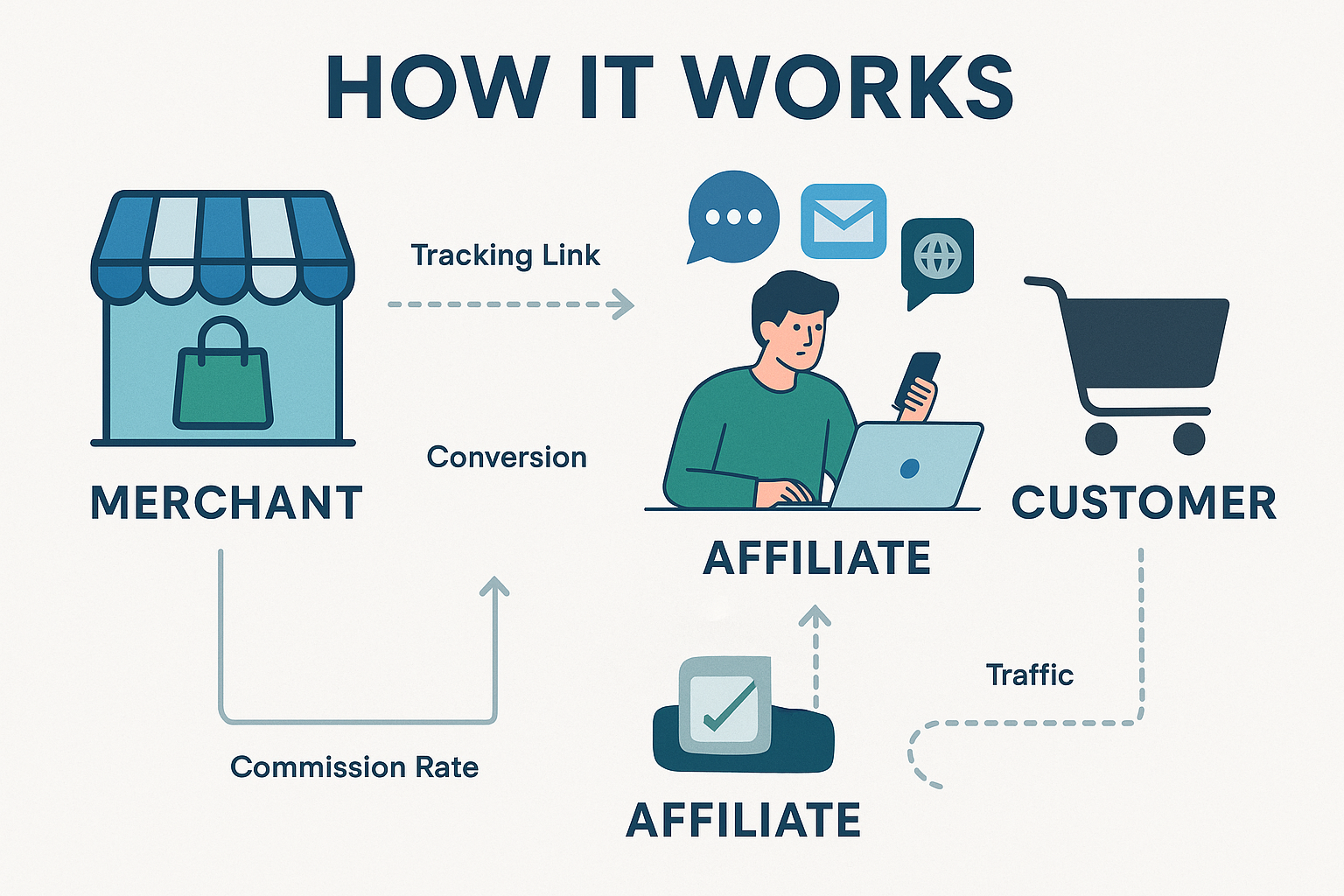
At its heart, an affiliate advertising program is a simple yet incredibly effective marketing arrangement. It’s a partnership where a business (the merchant or advertiser) pays a commission to an individual or other business (the affiliate or publisher) for generating specific actions, typically sales, leads, or clicks. This performance-based model means merchants only pay for results, making it an attractive, low-risk marketing channel.
Think of it like this: imagine you own a fantastic coffee shop, but you’re not getting enough foot traffic. You could hire a marketing agency, which costs money upfront regardless of whether they bring in customers. Or, you could tell your friends, “For every new customer you send my way who mentions your name, I’ll give you a free coffee.” That’s a rudimentary affiliate advertising program. You’re leveraging word-of-mouth, tracking results, and rewarding performance. The digital version is just a more sophisticated, scalable iteration of this concept.
The Four Pillars of an Affiliate Advertising Program
To truly grasp how an affiliate advertising program functions, it’s crucial to understand the roles of its primary participants:
- The Merchant (or Advertiser): This is the company or individual that creates the product or service. They are the ones who want to sell something and are willing to pay others to help them do it. Examples include e-commerce stores, SaaS companies, online courses, or even local businesses. They set up the affiliate program, define the commission structure, and provide marketing materials.
- The Affiliate (or Publisher): This is the individual or company that promotes the merchant’s product. Affiliates could be bloggers, YouTubers, social media influencers, email marketers, review sites, or even large content portals. Their goal is to drive traffic or sales to the merchant using their unique affiliate links. When a customer uses their link and completes a desired action, the affiliate earns a commission.
- The Consumer: This is the end-user or customer who buys the product or service. They are the ones whose actions (clicking, buying, signing up) trigger the commission payment. Importantly, the consumer typically doesn’t pay more for the product when purchasing through an affiliate link; the commission comes out of the merchant’s profits.
- The Affiliate Network (Optional, but Common): In many cases, a third party acts as an intermediary between the merchant and the affiliate. Affiliate networks like ShareASale, CJ Affiliate, or Rakuten Advertising manage the tracking, payments, and reporting for both parties. They provide the technological infrastructure, making it easier for merchants to find affiliates and for affiliates to find programs. While some merchants run in-house programs, networks offer a streamlined solution, especially for those new to the space or managing many affiliates.
The Mechanism: Tracking and Payment
The magic of an affiliate advertising program lies in its robust tracking mechanisms. When an affiliate joins a program, they are given a unique tracking link for each product or offer they promote. This link contains a special identifier that attributes any resulting clicks, leads, or sales back to that specific affiliate.
When a consumer clicks on an affiliate’s unique link, a “cookie” is often placed on their browser. This cookie tracks the user’s activity for a predetermined period (e.g., 30, 60, or 90 days). If the user makes a purchase within that cookie window, even if they leave the merchant’s site and return directly later, the sale is still credited to the original affiliate.
Commission Structures: The way affiliates are paid varies widely:
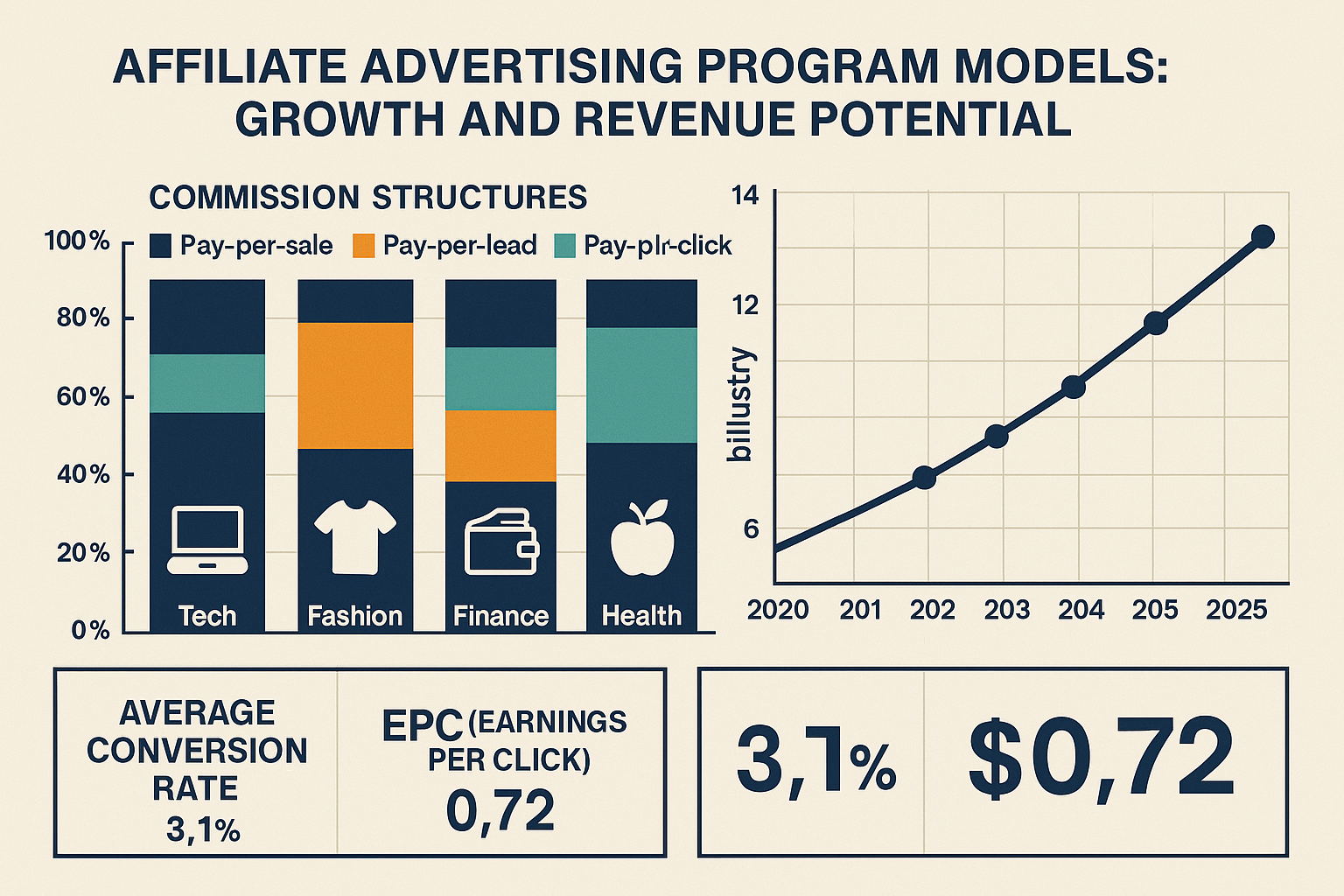
- Pay-Per-Sale (PPS): The most common model. The affiliate earns a percentage of the sale price of the product or service. For instance, if an affiliate promotes a $100 product with a 10% commission, they earn $10 for every sale.
- Pay-Per-Lead (PPL): The affiliate is paid for generating a lead, such as a completed form, a trial signup, or a newsletter subscription. This is often used for services or high-value products where the sales cycle is longer.
- Pay-Per-Click (PPC): Less common in pure affiliate marketing but exists. The affiliate earns a small amount for every click on their unique link. This model is more susceptible to fraud and usually requires highly sophisticated tracking.
- Recurring Commissions: Some programs, particularly for subscription services (SaaS, memberships), offer recurring commissions as long as the customer remains subscribed, creating a steady stream of income for the affiliate.
Payments are typically processed by the merchant or the affiliate network on a set schedule (e.g., monthly), often after reaching a minimum payout threshold. This entire system is designed to be transparent and automated, ensuring fair compensation for all parties involved in the affiliate advertising program.
Strategic Advantages and Evolving Landscape of the Affiliate Advertising Program in 2025
The enduring appeal and growth of the affiliate advertising program stem from its inherent strategic advantages for both merchants and affiliates. As we navigate 2025, these benefits are amplified by technological advancements and shifts in consumer behavior, making it more relevant than ever.
Advantages for Merchants
For businesses looking to expand their market reach, an affiliate advertising program offers a compelling value proposition:
- Low-Risk, Performance-Based Marketing: This is arguably the biggest advantage. Merchants only pay when a desired action occurs (a sale, a lead, etc.). This contrasts sharply with traditional advertising, where costs are incurred regardless of results. It’s like having a sales team that only gets paid on commission, making it incredibly budget-friendly and efficient [1].
- Scalability: Once an affiliate program is set up, it can easily scale by attracting more affiliates. The merchant’s marketing efforts are amplified by hundreds or thousands of partners, reaching audiences they might not have accessed directly.
- Increased Brand Awareness and Trust: Affiliates, especially those with established audiences and credibility, act as trusted advocates. Their recommendations carry more weight than direct advertising, organically boosting brand visibility and fostering consumer trust.
- Targeted Traffic: Affiliates typically operate within specific niches. For example, a tech blogger reviews gadgets, a fashion influencer showcases clothing, or a financial advisor recommends investment platforms. This means the traffic they send to the merchant is highly targeted and pre-qualified, leading to higher conversion rates.
- Global Reach: Affiliates can come from anywhere in the world, allowing merchants to tap into international markets without needing to establish a local presence or significant ad spend in new regions.
My friend, Sarah, started a small artisanal soap company. She struggled with traditional ads – expensive and not always effective. When I suggested an affiliate advertising program, she was hesitant. “Why would someone promote my soap?” she asked. But after finding a few small lifestyle bloggers and eco-conscious influencers, her sales soared. The bloggers loved her products’ story, and their authentic reviews resonated with their audience. Sarah realized she was tapping into a genuine enthusiasm she couldn’t buy with ads alone.
Advantages for Affiliates
For individuals and content creators, becoming an affiliate offers a flexible and potentially lucrative business model:
- Low Startup Costs: Unlike starting an e-commerce store or creating your own product, becoming an affiliate generally requires minimal upfront investment. You primarily need a platform (website, social media, email list) and time to create content.
- Flexibility and Independence: Affiliates can work from anywhere, set their own hours, and choose which products or services to promote. This offers unparalleled freedom and control over one’s work-life balance.
- No Product Creation or Inventory Management: Affiliates don’t have to worry about product development, manufacturing, shipping, customer service, or inventory. Their sole focus is on marketing and driving traffic.
- Passive Income Potential: While “passive” is a bit of a misnomer (it requires initial effort), well-optimized evergreen content with affiliate links can continue to generate income long after its creation. A review article I wrote years ago still brings in sales every month – a true testament to its long-term earning potential.
- Leverage Existing Audiences: Affiliates can monetize their existing audience without having to sell their own products, providing an additional revenue stream alongside sponsorships or ad revenue.
The Evolving Landscape of the Affiliate Advertising Program in 2025
The affiliate advertising program is not static; it continually adapts to new technologies and consumer behaviors. In 2025, several trends are shaping its future:
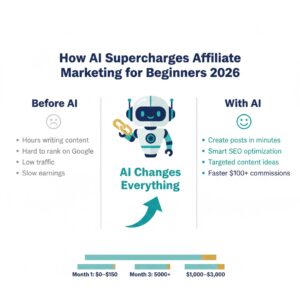
- AI and Data Analytics: AI is becoming indispensable for both merchants and affiliates. Merchants are using AI to optimize commission structures, identify high-performing affiliates, and personalize offers. Affiliates are leveraging AI tools for content creation (generating ideas, drafting outlines), SEO optimization, and analyzing audience engagement to promote the right products to the right people at the right time [2].
- Influencer Marketing Convergence: The lines between traditional affiliate marketing and influencer marketing are blurring. Many influencers are now integral parts of affiliate advertising programs, utilizing unique tracking links and discount codes alongside sponsored content. Authenticity and genuine recommendations are paramount.
- Hyper-Niche Specialization: The generalist affiliate is becoming less effective. In 2025, success lies in deep specialization within hyper-niches. Audiences crave expert advice and tailored recommendations, making affiliates who are true authorities in their specific field highly valuable.
- Ethical Practices and Transparency: With increasing regulatory scrutiny and consumer awareness, transparency is non-negotiable. Affiliates must clearly disclose their affiliate relationships (e.g., using #ad or clearly stating “This post contains affiliate links”). Merchants also need to ensure their programs are fair and clearly communicated. Building trust is paramount.
- Voice Search and Conversational Commerce: As voice assistants become more sophisticated, optimizing affiliate content for voice search queries will be crucial. Affiliates may need to think about how their product recommendations would sound in a conversational format.
- Video Content Dominance: YouTube, TikTok, and Instagram Reels continue to be powerful platforms for affiliate content. Video reviews, tutorials, and unboxings with embedded or linked affiliate offers are highly engaging and convert well.
- Direct-to-Consumer (DTC) Brands: Many DTC brands are embracing affiliate advertising programs as a cost-effective way to build community and drive sales without relying heavily on traditional retail or expensive ad campaigns.
“The true power of an affiliate advertising program in 2025 isn’t just about clicks and sales; it’s about building genuine connections and trust between brands, content creators, and consumers.”
— An experienced SEO content strategist
To thrive in 2025, both merchants and affiliates must adopt a strategic, data-driven, and ethical approach. Merchants should invest in robust tracking, fair commission structures, and excellent affiliate support. Affiliates, on the other hand, should prioritize building authentic relationships with their audience, providing genuine value, and staying abreast of SEO best practices and emerging content formats. The future of the affiliate advertising program is bright for those willing to adapt and innovate.
Launching and Optimizing Your Affiliate Advertising Program in 2025
Whether you’re a merchant looking to establish a program or an affiliate eager to join one, the process involves careful planning and continuous optimization. The principles of a successful affiliate advertising program remain consistent, but the tools and tactics evolve.
For Merchants: Setting Up a Robust Program
Launching an effective affiliate advertising program in 2025 requires more than just creating a few links; it demands a strategic approach to recruitment, support, and analytics.
- Define Your Goals and Commission Structure:
- Goals: What do you want your affiliates to achieve? Sales? Leads? Brand awareness? Your goals will dictate your program’s design.
- Commission: Research industry standards. What percentage or flat fee makes sense for your product/service and market? Consider tiered commissions for top performers. My advice: make it attractive. A meager commission won’t motivate quality affiliates.
- Cookie Duration: How long will a cookie track a referral? 30, 60, or 90 days are common. Longer durations are more appealing to affiliates.
- Choose Your Platform:
- Affiliate Network: For most merchants, especially those new to affiliate marketing, an established network (e.g., ShareASale, CJ Affiliate, Rakuten Advertising, Awin) is ideal. They handle tracking, payments, and provide access to a vast pool of affiliates.
- In-house Software: Larger businesses with dedicated resources might opt for software like Impact.com or PartnerStack for more control and customization.
- E-commerce Integrations: Platforms like Shopify have built-in apps (e.g., GoAffPro) to manage affiliate programs directly.
- Create Compelling Marketing Assets:
- Provide affiliates with banners, text links, product images, videos, pre-written email templates, and clear brand guidelines. The easier you make it for them to promote, the more likely they are to succeed.
- Ensure all assets are high-quality and mobile-responsive.
- Recruit and Onboard Affiliates:
- Outreach: Actively search for potential affiliates. Look for bloggers, YouTubers, influencers, and review sites in your niche. Personally reach out to them.
- Network Directories: List your program on chosen affiliate networks.
- Clear Communication: Provide a comprehensive FAQ, clear terms and conditions, and a dedicated support contact. Host webinars or create video tutorials to explain your product and program.
- Monitor, Optimize, and Nurture:
- Analytics: Regularly review performance data. Which affiliates are performing best? Which products are converting? Where are conversions dropping off?
- Feedback: Engage with your affiliates. Ask for their feedback, address their concerns, and provide them with new offers or promotions.
- Fraud Prevention: Implement measures to detect and prevent affiliate fraud, ensuring your program remains healthy and profitable.
- Communication: Keep affiliates updated on new products, sales, and program changes. A strong relationship with your affiliates is invaluable.
For Affiliates: Thriving in an Affiliate Advertising Program
For affiliates, success in 2025 is about building authority, providing value, and strategically placing your offers.
- Choose Your Niche (and Own It):
- Don’t try to be everything to everyone. Focus on a niche you’re passionate about and knowledgeable in. This makes content creation easier and helps you build a loyal, engaged audience.
- Research profitable niches, but balance it with your genuine interest. Authenticity is key.
- Select High-Quality Products/Services:
- Only promote products you genuinely believe in and would use yourself. Your credibility is your most valuable asset.
- Test products if possible. Your personal experience will shine through in your reviews and recommendations.
- Look for products with good commission rates, high demand, and strong merchant support.
- Build Your Platform(s):
- Content Website/Blog: A strong foundation for evergreen content, SEO, and building authority.
- YouTube Channel: Excellent for product reviews, tutorials, and visual demonstrations.
- Social Media: Instagram, TikTok, Pinterest can drive significant traffic, especially for lifestyle, fashion, and beauty niches.
- Email List: One of the most powerful assets for direct communication and promotion.
- Create Value-Driven Content:
- Don’t just list products; solve problems, offer solutions, and provide in-depth information.
- Reviews: Comprehensive, unbiased reviews that highlight pros, cons, and user experience.
- Comparisons: “Product A vs. Product B” articles help users make informed decisions.
- Tutorials/How-Tos: Show people how to use a product effectively.
- Resource Guides: Curate lists of recommended tools and services.
- Case Studies: Demonstrate real-world results using the product.
- Master SEO and Traffic Generation (2025 Focus):
- Keyword Research: Identify what your target audience is searching for.
- On-Page SEO: Optimize titles, headings, content, and images for search engines.
- Technical SEO: Ensure your site is fast, mobile-friendly, and secure.
- Content Distribution: Share your content across all your platforms.
- Paid Traffic (Carefully): Some affiliates use paid ads, but this requires a deep understanding of ROI and conversion tracking.
- Leverage AI: Use AI tools for content idea generation, keyword research, and even drafting sections of your content. Remember, AI is a co-pilot, not a replacement for human insight.
- Disclose and Be Transparent:
- Always clearly state that you’re using affiliate links. It’s a legal and ethical requirement. Trust is paramount. A simple disclaimer at the top of your content or next to links is usually sufficient.
- Analyze and Optimize:
- Track your clicks, conversions, and earnings. Which content pieces are performing best? Which products are most popular?
- Use analytics tools to understand your audience and refine your strategy.
- Don’t be afraid to test different calls-to-action, product placements, and content formats.
The biggest mistake I made early on as an affiliate was trying to promote too many things, too broadly. My content lacked focus, and my audience couldn’t tell what I truly stood for. Once I narrowed my niche and committed to promoting only products I genuinely believed in, my conversion rates skyrocketed. It wasn’t about more products; it was about more authority and trust.
Common Pitfalls to Avoid in 2025
- For Merchants:
- Poor Affiliate Support: Neglecting your affiliates leads to disengagement.
- Unrealistic Expectations: Affiliate marketing takes time to build momentum.
- Lack of Tracking and Reporting: You can’t optimize what you can’t measure.
- Ignoring Fraud: Not having measures in place can lead to significant losses.
- For Affiliates:
- Keyword Stuffing/Thin Content: Google’s algorithms are smarter than ever. Focus on quality.
- Promoting Irrelevant Products: Damages trust and leads to low conversions.
- Lack of Disclosure: Can lead to legal issues and audience distrust.
- Giving Up Too Soon: Affiliate marketing is a marathon, not a sprint. Consistent effort is required.
By focusing on value, authenticity, and continuous improvement, both merchants and affiliates can build highly successful and sustainable income streams through the affiliate advertising program model in 2025 and beyond.
Conclusion
The affiliate advertising program stands as a testament to the power of performance-based marketing in the digital age. For businesses, it offers a scalable, low-risk pathway to expanded reach and increased sales. For content creators and entrepreneurs, it provides a flexible, low-overhead model for monetizing their influence and expertise. As we navigate 2025, the landscape is richer, more competitive, and yet, full of unprecedented opportunities for those willing to adapt.
My journey through the world of online marketing taught me that success isn’t about finding shortcuts, but about building genuine value and fostering trust. An affiliate advertising program, at its best, embodies this principle. It’s about connecting consumers with products they need, through recommendations from voices they trust. The key to unlocking its full potential lies in understanding its mechanics, embracing ethical practices, leveraging cutting-edge tools like AI, and, most importantly, prioritizing the audience’s needs above all else.
Actionable Next Steps:
For Aspiring Merchants:
- Define Your Value Proposition: Clearly articulate why affiliates should promote your product/service over others.
- Research Competitor Programs: Understand industry standard commissions and best practices.
- Select Your Platform: Choose an affiliate network or in-house software that aligns with your budget and needs.
- Prepare Quality Assets: Develop compelling banners, product descriptions, and brand guidelines.
- Start Recruiting: Begin outreach to potential affiliates in your niche.
For Aspiring Affiliates:
- Identify Your Niche: Focus on a specific area where you can build authority and provide genuine value.
- Build Your Platform: Create a blog, YouTube channel, or social media presence dedicated to your niche.
- Join Reputable Programs: Research and apply to affiliate programs for products you genuinely recommend.
- Create Valuable Content: Focus on solving problems and educating your audience, not just selling.
- Prioritize Transparency: Always disclose your affiliate relationships.
By taking these steps, whether you’re a merchant or an affiliate, you’re not just participating in an affiliate advertising program; you’re building a sustainable, impactful presence in the dynamic digital economy of 2025. The future of performance marketing is here, and it’s built on partnerships.
References
[1] Rakuten Advertising. (2023). Affiliate Marketing Statistics & Trends to Watch in 2024. Retrieved from https://rakutenadvertising.com/news/affiliate-marketing-statistics-and-trends-to-watch/ (Note: While this reference mentions 2024, the underlying principles of performance-based marketing remain highly relevant for 2025 and beyond).
[2] Awin. (2024). The Impact of AI on Affiliate Marketing: Opportunities and Challenges. Retrieved from https://www.awin.com/gb/news-and-events/industry-news/impact-ai-affiliate-marketing-opportunities-and-challenges (Accessed for trends relevant to AI’s growing role in 2025).
📊 Affiliate Advertising Program Profit Calculator (2025)
Use this calculator to estimate your potential earnings or set realistic targets for your **affiliate advertising program** in 2025. Enter your projected metrics below to see your estimated monthly commission.
Your estimated monthly earnings will appear here.