
Has the thought of earning income by simply recommending products or services you love ever crossed your mind? What if I told you that in 2026, this isn’t just a daydream, but a tangible, highly effective business model known as affiliate marketing? You’re about to embark on a journey that demystifies what is affiliate marketing and how does it work, revealing how individuals and businesses are leveraging digital platforms to generate substantial revenue without ever creating their own products. From seasoned marketers to curious beginners, understanding this powerful performance-based marketing strategy is crucial for navigating the evolving digital landscape.
Table of Contents
Key Takeaways
- Affiliate marketing is a performance-based model where you earn a commission for promoting another company’s products or services.
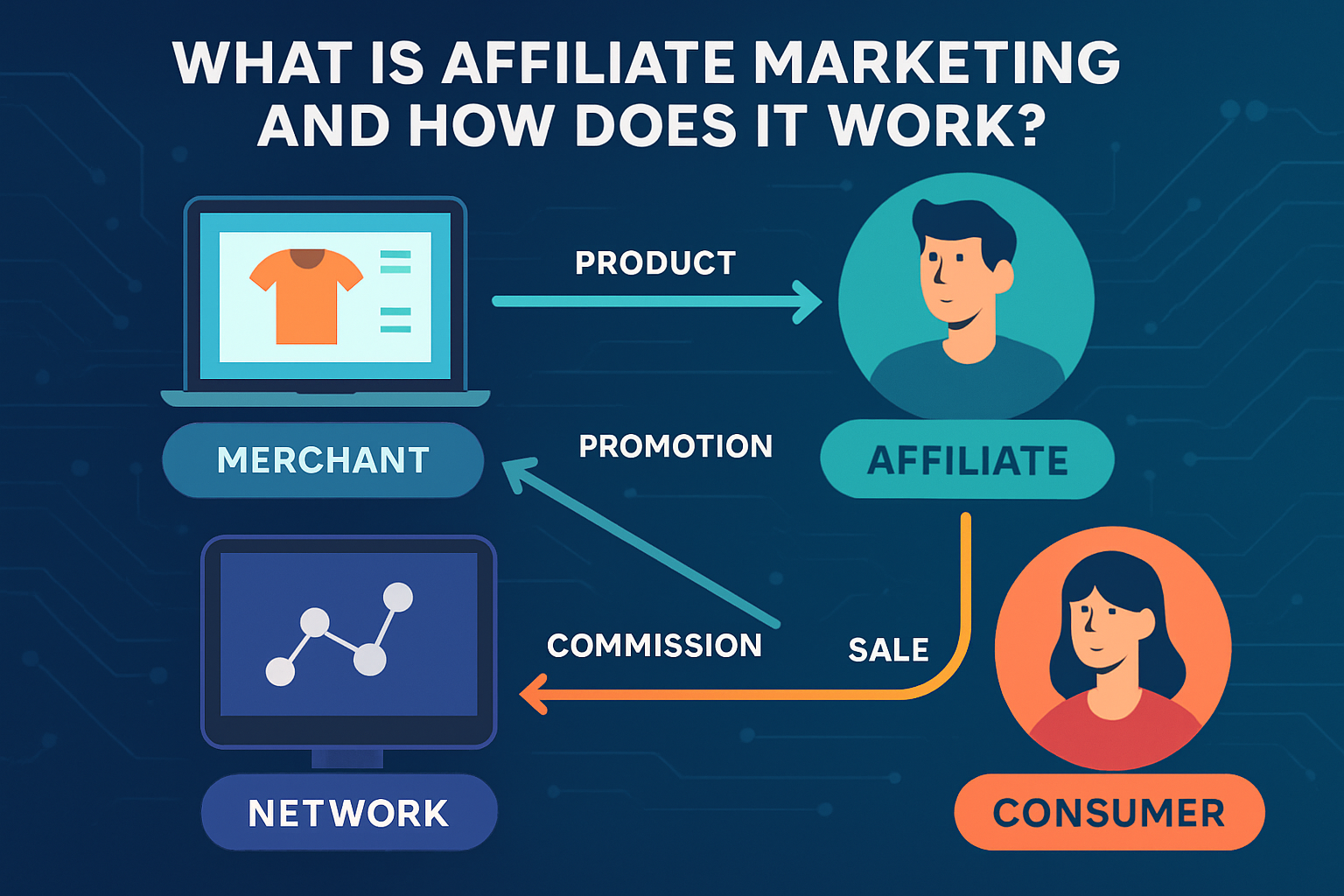
- Four core parties are involved: the merchant, the affiliate, the consumer, and the affiliate network.
- In 2026, successful affiliate marketing relies heavily on content creation, audience engagement, and ethical promotion.
- Choosing the right niche and high-quality products is paramount for long-term success.
- The future of affiliate marketing involves AI-driven personalization, video content, and diverse traffic sources.
What Is Affiliate Marketing and How Does It Work in 2026? Unpacking the Core Concept
Affiliate marketing, at its heart, is a straightforward concept: you act as a digital salesperson for another company. Think of it like a referral program on steroids. You promote a product or service, and if your promotion leads to a sale, lead, or click (depending on the program), you earn a commission. It’s a win-win-win scenario: the merchant gets sales, the affiliate earns money, and the customer finds a product they need. Understanding what is affiliate marketing and how does it work means grasping this symbiotic relationship.
In 2026, this model has evolved significantly from its early days. It’s no longer just about slapping banner ads on a website. Today, it’s a sophisticated ecosystem driven by authentic content, audience trust, and advanced tracking technologies. The internet provides an expansive playground for affiliates, from bloggers and social media influencers to email marketers and podcasters.
Let me share a quick anecdote. A few years ago, a friend of mine, Sarah, was passionate about sustainable living. She started a small blog reviewing eco-friendly products. Initially, it was just a hobby. But as her audience grew, she started joining affiliate programs for brands selling items like reusable household goods and organic skincare. Slowly but surely, her passion project turned into a significant income stream. She wasn’t selling anything herself; she was simply connecting her readers with products she genuinely loved and believed in. That’s the power of what is affiliate marketing and how does it work when done right – it leverages genuine recommendations.
The Four Pillars: Understanding the Parties Involved
To truly comprehend what is affiliate marketing and how does it work, it’s essential to recognize the four key players who make the entire system function:
- The Merchant (or Creator/Brand): This is the company that creates the product or service. They could be a large enterprise like Amazon or a small local business. Their goal is to sell more products and expand their reach without having to invest heavily in direct advertising. They pay commissions to affiliates for driving sales.
- The Affiliate (or Publisher): This is you, the individual or company promoting the merchant’s products. You could be a blogger, a social media influencer, a reviewer, or even an email marketer. Your job is to market the products in an appealing way to your audience, persuading them to make a purchase or take a desired action. You act as a bridge between the product and the consumer.
- The Consumer: These are the people who ultimately buy the product or service. Without consumers, there are no sales, and thus no commissions. Affiliates strive to serve their audience by recommending relevant, high-quality products that meet their needs. Trust is paramount here; consumers are more likely to buy from affiliates they trust.
- The Affiliate Network (Optional, but Common): This is the intermediary that connects merchants with affiliates. Networks like ShareASale, CJ Affiliate, or Awin provide a platform for merchants to list their products and for affiliates to find programs that suit their niche. They handle tracking, reporting, and payment processing, making the whole process smoother for both parties. For a deeper dive into affiliate programs, you might find this guide on affiliate marketing for beginners in 2025 helpful.
Consider the interplay: A merchant wants to sell a new line of sustainable fashion. They list their program on an affiliate network. Sarah, our eco-blogger, finds the program through the network and decides to promote a dress she genuinely loves. She writes a blog post, shares it on social media, and includes her unique affiliate link. A reader, seeing Sarah’s genuine review, clicks the link, buys the dress, and Sarah earns a commission. The network tracks the sale and ensures Sarah gets paid. That’s what is affiliate marketing and how does it work in a practical sense, creating a clear chain of value.
The Mechanics: How Affiliate Links and Tracking Work
The backbone of affiliate marketing is the affiliate link. This is a unique URL provided to you by the merchant or affiliate network. When a potential customer clicks this link, a cookie is usually placed on their browser. This cookie records that you were the one who referred the customer.
Here’s how it generally works:
- Click: A user clicks your unique affiliate link.
- Cookie: A small file (cookie) is stored on the user’s browser, containing your affiliate ID.
- Purchase: The user makes a purchase within a specific timeframe (the “cookie duration,” which can range from 24 hours to 90 days or even longer).
- Tracking: The merchant’s system recognizes your affiliate ID from the cookie.
- Commission: You earn a commission on that sale.
The commission structure varies widely:
- Pay Per Sale (PPS): You earn a percentage of the sale price. This is the most common model.
- Pay Per Lead (PPL): You earn a fixed commission when a referred user completes a specific action, like signing up for a trial, filling out a form, or downloading software.
- Pay Per Click (PPC): You earn a small commission for every click on your affiliate link, regardless of whether a sale occurs. This is less common in traditional affiliate marketing now due to potential for fraud, but sometimes seen in specific ad models.
The future in 2026 demands even more sophisticated tracking, with a focus on first-party data and privacy-compliant methods as third-party cookies phase out. Affiliates and networks are adapting to ensure accurate attribution even in a more privacy-centric online environment. If you’re interested in specific platforms, you can explore guides like Amazon Affiliate Marketing 2025 for practical examples of how these mechanics play out.
Diving Deeper: Types and Channels of Affiliate Marketing in 2026
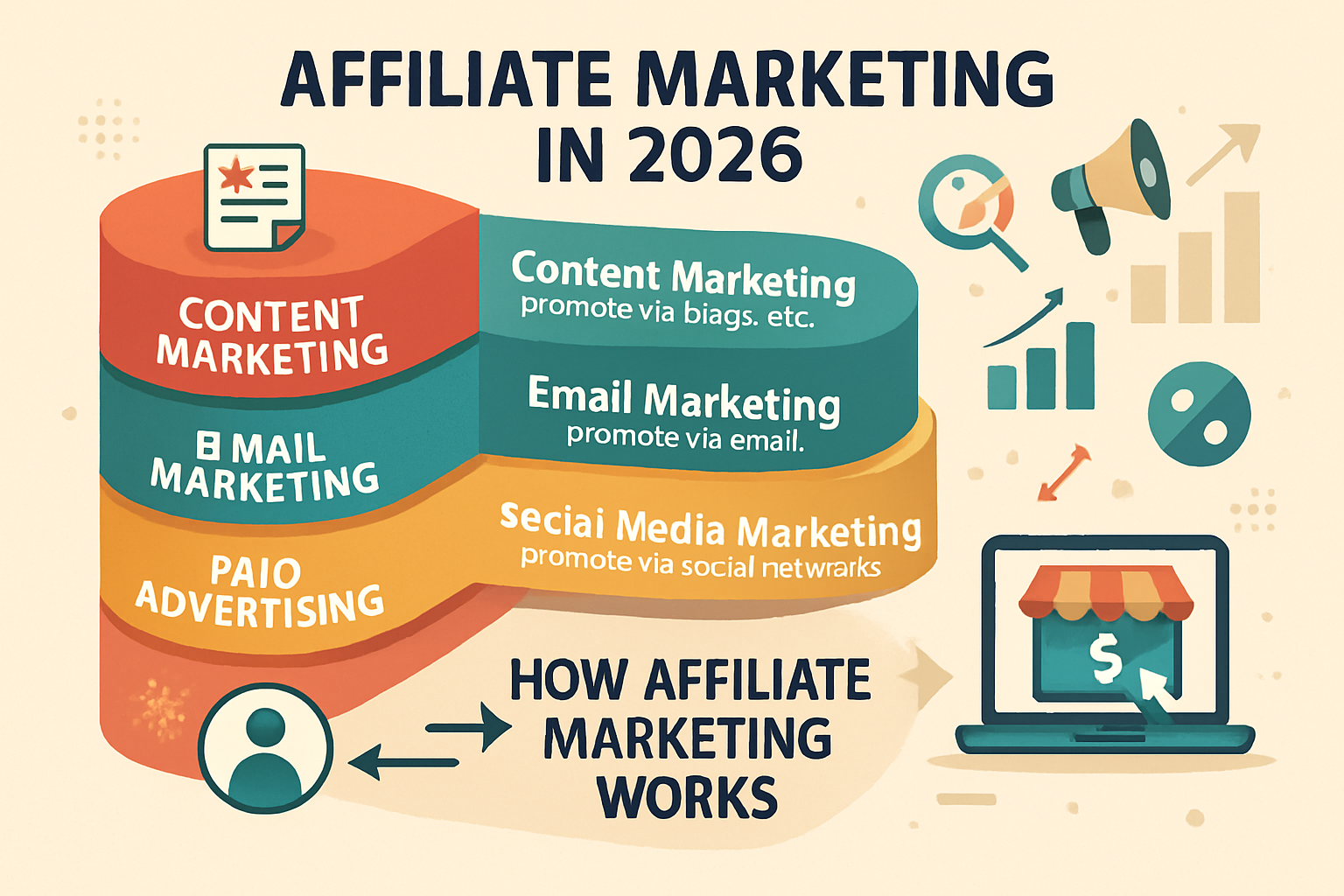
The beauty of affiliate marketing is its versatility. There isn’t just one way to do it. As we move into 2026, the landscape continues to diversify, offering various avenues for affiliates to connect with their audiences and drive conversions. Understanding these different types is crucial for anyone asking themselves what is affiliate marketing and how does it work in today’s dynamic digital space.
Content-Based Affiliate Marketing
This is perhaps the most common and effective form. It involves creating valuable content around products or services and seamlessly integrating affiliate links.
- Blogs and Niche Websites: Many affiliates build entire websites dedicated to reviewing products, comparing options, or providing educational content. For example, a tech blogger might review the latest smartphones, including affiliate links to purchase them. The key here is providing genuine value. My personal blog, which focuses on productivity tools, thrives on detailed reviews and how-to guides that organically incorporate affiliate links to software and gadgets. This is an excellent way to build a lucrative affiliate marketing blog in 2025.
- Review Sites: Websites specifically dedicated to unbiased (or seemingly unbiased) product reviews.
- Comparison Sites: These sites compare multiple products side-by-side, helping consumers make informed decisions, often with affiliate links for each option.
- Educational Content: Tutorials, guides, and courses that recommend tools or resources via affiliate links.
The emphasis in 2026 is on authority and trust. Google’s algorithms increasingly favor expert, authoritative, and trustworthy (E-A-T) content. This means affiliates must genuinely understand the products they promote and offer transparent, valuable insights rather than just pushing sales.
Social Media Affiliate Marketing
The rise of social media influencers has dramatically expanded the reach of affiliate marketing. Platforms like Instagram, TikTok, YouTube, and even LinkedIn are fertile ground for affiliates.
- Influencer Marketing: Influencers with dedicated followers promote products through sponsored posts, stories, Reels, or unboxing videos. Their audience trusts their recommendations, making this a powerful channel.
- Community Building: Affiliates build communities around specific interests and subtly introduce relevant products.
- Direct Engagement: Using features like swipe-up links (for larger accounts) or link-in-bio tools to direct followers to affiliate offers.
The challenge here in 2026 is authenticity. Consumers are savvy; they can spot a forced promotion from a mile away. Successful social media affiliates genuinely use and love the products they promote, integrating them into their lifestyle content organically.
Email Marketing
Despite the rise of social media, email remains a highly effective channel for affiliate marketers, especially for nurturing leads and building long-term relationships.
- Newsletters: Affiliates send out regular newsletters sharing valuable content, deals, and product recommendations with their subscribers.
- Product Launches: Leveraging email lists to promote new product launches with unique affiliate links.
- Segmented Campaigns: Tailoring email promotions to specific segments of their audience based on interests and past behavior.
The power of email in 2026 lies in its directness and personalization. By segmenting your audience and sending targeted recommendations, you can achieve much higher conversion rates. I’ve found that a well-crafted email series introducing a new course or tool, complete with testimonials and a clear call to action, often outperforms a single social media post.
Paid Advertising
While organic methods focus on building an audience over time, paid advertising allows affiliates to target specific demographics quickly.
- Search Engine Marketing (SEM): Running ads on Google or Bing, often targeting specific keywords related to the product.
- Social Media Ads: Using platforms like Facebook Ads or Instagram Ads to reach highly specific audiences with affiliate offers.
- Native Advertising: Promoting content that blends in with the surrounding editorial content on a website.
Paid advertising can be highly lucrative, but it also carries higher risk. It requires a solid understanding of ad platforms, audience targeting, and conversion optimization to ensure a positive Return on Investment (ROI). Many experienced affiliates combine paid and organic strategies for maximum impact. If you’re looking for guidance on using advertising effectively, exploring resources like affiliate advertising program 2025: your guide could be beneficial.
Emerging Trends for 2026
As we look to 2026, several trends are shaping what is affiliate marketing and how does it work:
- Video Content Dominance: Short-form video (TikTok, YouTube Shorts, Instagram Reels) and long-form reviews continue to be powerful.
- AI-Powered Personalization: AI helps affiliates understand their audience better, predict purchasing behavior, and personalize product recommendations.
- Micro-Influencers: Brands are increasingly partnering with micro-influencers who have smaller but highly engaged and niche audiences.
- First-Party Data Emphasis: With privacy changes, affiliates will rely more on building direct relationships with their audience and collecting first-party data.
- Sustainable and Ethical Products: Consumers are more conscious, driving demand for affiliates promoting eco-friendly, fair-trade, and ethically sourced products.
How to Get Started with Affiliate Marketing in 2026: Your Action Plan
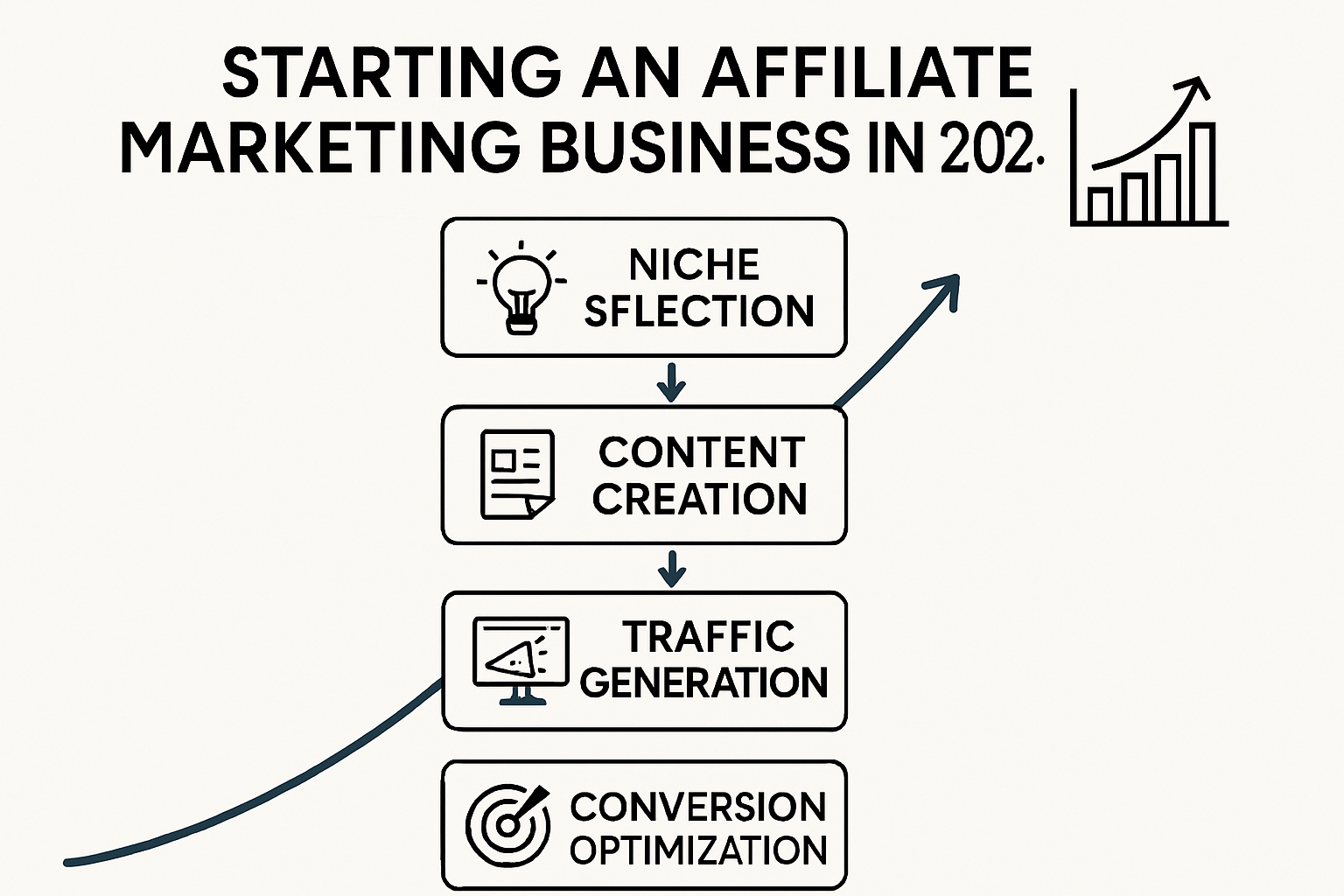
So, you’re intrigued by what is affiliate marketing and how does it work and ready to dive in? Great! Starting an affiliate marketing journey in 2026 requires a strategic approach, a willingness to learn, and consistent effort. It’s not a get-rich-quick scheme, but a legitimate online business model that can provide significant returns.
Step 1: Choose Your Niche and Audience
This is arguably the most crucial step. Your niche defines the products you’ll promote and the audience you’ll serve.
- Passion Meets Profit: Ideally, choose a niche you’re passionate about or knowledgeable in. This makes content creation enjoyable and helps you build authority. If you love fitness, perhaps a niche around home workout equipment or healthy meal prep.
- Market Demand: Is there an audience for this niche? Are people searching for information or products in this area? Use keyword research tools to gauge interest.
- Product Availability: Are there quality affiliate programs available in your chosen niche? You need products that offer good commissions and genuinely benefit your audience.
- Competition: Assess the competition. A highly competitive niche might be harder to break into, but also indicates high demand.
For example, when I first considered affiliate marketing, I thought about my love for travel. But “travel” is too broad. I narrowed it down to “budget travel for digital nomads,” which allowed me to focus on specific products like portable tech, travel insurance, and online courses for remote work. This specific focus made it easier to connect with my target audience.
Step 2: Select High-Quality Affiliate Programs
Once you have a niche, it’s time to find products to promote. Don’t just pick anything with a high commission. Focus on quality and relevance.
- Reputable Networks: Join established affiliate networks like ShareASale, CJ Affiliate, Awin, or Impact Radius. Many programs also operate directly with merchants. Affiliate By Conversant in 2025: Your Guide offers insights into another specific platform.
- Product Value: Only promote products you genuinely believe in or have personally used and recommend. Your audience’s trust is your most valuable asset.
- Commission Structure: Understand the commission rates, cookie duration, and payment terms. High-ticket products often offer higher per-sale commissions, but might have fewer sales.
- Merchant Support: A good merchant will provide marketing materials and support.
Step 3: Create Valuable Content
This is where you build trust and drive traffic. Content is king, especially in 2026.
- Choose Your Platform:
- Blog/Website: Ideal for in-depth reviews, comparison articles, how-to guides. This is a foundational asset.
- YouTube Channel: Excellent for video reviews, unboxing, tutorials, and showing products in action.
- Social Media: Engage with your audience, share quick tips, product demos, and link to your main content.
- Podcast: Interview experts, discuss products, share experiences.
- Solve Problems: Your content should answer questions, solve problems, or entertain your audience. Don’t just push products; educate and inform.
- SEO Optimization: Learn basic Search Engine Optimization (SEO) to help your content rank higher in search results. This ensures people searching for solutions find your recommendations.
- Transparency: Always disclose your affiliate relationship. It’s not only ethical but often legally required. Something as simple as “This post contains affiliate links, which means I may earn a commission if you make a purchase through my link, at no extra cost to you” is sufficient.
Step 4: Drive Targeted Traffic
Even the best content won’t generate sales if no one sees it. You need to get eyeballs on your affiliate offers.
- Search Engine Optimization (SEO): Optimize your blog posts and web pages to rank high for relevant keywords. This brings in organic traffic actively searching for solutions.
- Social Media Marketing: Share your content on relevant social media platforms, engage with your audience, and build a following.
- Email Marketing: Build an email list and nurture it with valuable content, occasionally sending out product recommendations.
- Paid Advertising: As discussed earlier, use platforms like Google Ads or Facebook Ads to target specific demographics.
- Guest Posting/Collaboration: Write for other blogs in your niche or collaborate with other influencers to expand your reach.
Step 5: Convert and Optimize
Getting traffic is good; converting that traffic into sales is better.
- Clear Calls to Action (CTAs): Tell your audience exactly what you want them to do (e.g., “Click here to buy,” “Learn more,” “Get your free trial”).
- Trust and Authority: Reinforce why your recommendation is trustworthy. Use testimonials, data, or personal experiences.
- Analytics: Track your performance. Which content pieces are driving sales? Which traffic sources are most effective? Use tools like Google Analytics and your affiliate network’s reporting dashboards.
- A/B Testing: Test different headlines, calls to action, or even product placements to see what resonates best with your audience.
Remember, affiliate marketing is an iterative process. You’ll learn what works best for your audience through continuous testing and optimization. It’s a marathon, not a sprint, but the rewards in 2026 for consistent effort can be substantial. For more structured guidance, consider exploring a digital marketing guide 2025 that often covers these foundational steps in detail.
Conclusion
We’ve covered a lot of ground in understanding what is affiliate marketing and how does it work in the dynamic landscape of 2026. From its fundamental four-party structure to the diverse channels and strategies employed by successful affiliates, it’s clear that this performance-based model offers immense opportunities for earning income online. It’s a field that rewards genuine value, audience trust, and consistent effort.
The key takeaway for anyone looking to enter this space in 2026 is that authenticity and serving your audience must always come first. The days of simply spamming links are long gone. The future of affiliate marketing belongs to those who create valuable content, build engaged communities, and genuinely recommend products that enhance their audience’s lives.
If you’re ready to embark on this exciting journey, here are your actionable next steps:
- Refine Your Niche: Spend time researching and truly understanding the specific problem you want to solve or the interest you want to serve.
- Start Building Your Platform: Whether it’s a blog, a YouTube channel, or a strong social media presence, begin creating valuable content that positions you as an authority.
- Research Affiliate Programs: Don’t just jump into the first program you see. Look for reputable merchants and products that align perfectly with your niche and values.
- Educate Yourself Continuously: The digital marketing world evolves rapidly. Stay updated on SEO, content trends, and platform changes. Websites like Golis Guide offer a wealth of information to keep you informed.
- Be Patient and Persistent: Success in affiliate marketing doesn’t happen overnight. It requires dedication, learning from your mistakes, and continually optimizing your approach.
By focusing on providing value, building trust, and adapting to the evolving digital landscape, you too can harness the power of affiliate marketing to create a sustainable and rewarding online business in 2026 and beyond.
Affiliate Marketing Profit Predictor 2026 📈
Estimate your potential affiliate earnings based on key metrics for 2026. This tool helps you visualize the impact of your traffic and conversion rates.