Have you ever dreamt of earning an income online, leveraging the power of digital commerce, but felt daunted by the idea of building and maintaining a website? You’re not alone! Many aspiring entrepreneurs believe a complex website is the prerequisite for online success. What if I told you that in 2025, you can absolutely dive into the lucrative world of affiliate marketing without a website? Yes, it’s entirely possible, and for beginners, it opens up a world of opportunities without the technical hurdles or upfront costs associated with web development. This comprehensive guide will illuminate the path to becoming a successful affiliate marketer, proving that a domain and hosting aren’t always necessary for your journey.
I remember when I first started exploring online ventures. The thought of HTML, CSS, and SEO keywords made my head spin. For a long time, it felt like a barrier. But then I discovered the power of direct marketing and social platforms, realizing that the core of affiliate marketing is connecting the right product with the right audience, regardless of where that connection happens. This article is built on that very principle, demystifying the process of affiliate marketing without a website for anyone ready to learn and execute.
Table of Contents
Key Takeaways
- Diverse Platforms for Promotion: You don’t need a website; leverage social media, email, YouTube, and online communities to promote affiliate products.
- Focus on Value First: Success in affiliate marketing without a website hinges on providing genuine value, building trust, and solving problems for your audience.
- Niche Selection is Crucial: Choose a niche you’re passionate about and where you can genuinely connect with potential customers to offer relevant products.
- Understand Traffic Sources: Learn how to attract and direct traffic to your affiliate links using both free and paid strategies available on various platforms.
- Compliance and Transparency: Always disclose your affiliate relationships and adhere to platform guidelines and FTC regulations to maintain credibility.
Understanding Affiliate Marketing Without a Website
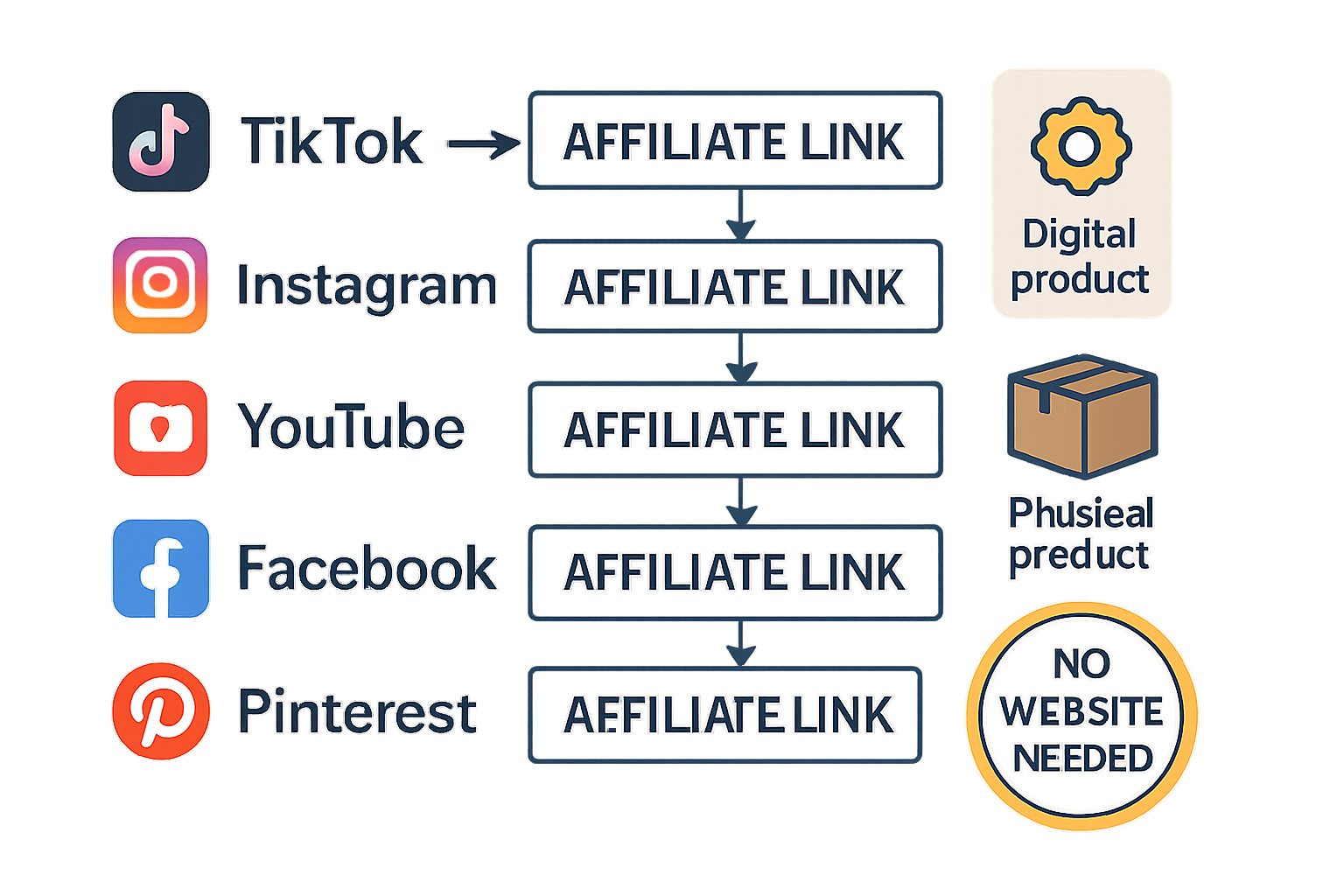
At its core, affiliate marketing is a performance-based marketing strategy where businesses reward one or more affiliates for each visitor or customer brought by the affiliate’s own marketing efforts. You essentially act as a digital salesperson for other companies, earning a commission on sales, leads, or clicks generated through your unique affiliate link. The beauty of doing affiliate marketing without a website is that it democratizes the process, making it accessible to anyone with an internet connection and a desire to connect people with products they’ll love.
Think of it this way: instead of directing traffic to your website which then links to a product, you’re directing traffic directly to the merchant’s product page using your special tracking link. The tracking link is what tells the merchant that the sale or lead came from you, ensuring you get your well-deserved commission.
The concept isn’t new, but the methods for implementing affiliate marketing without a website have evolved dramatically with the rise of social media and content platforms. In 2025, the landscape is richer than ever for those who prefer to skip the web development phase. For a deeper dive into the broader landscape, you might want to explore our comprehensive guide on Affiliate Marketing Digital Marketing Guide 2025.
Why Skip the Website?
Many beginners wonder why they would choose to do affiliate marketing without a website. Here are some compelling reasons:
- Lower Barrier to Entry: No need to learn web design, coding, or spend money on hosting and domain names. This drastically reduces your initial investment and learning curve.
- Faster Setup: You can start promoting products almost immediately on existing platforms. Building a website, even a simple one, takes time and effort.
- Focus on Content and Promotion: Without the distraction of site maintenance, you can pour all your energy into creating compelling content and driving traffic, which are the two most critical aspects of affiliate marketing.
- Leverage Existing Audiences: Platforms like YouTube, TikTok, Instagram, and Reddit already have massive, engaged user bases. You can tap into these communities rather than building one from scratch.
- Flexibility and Agility: It’s easier to pivot or experiment with different niches and products when you’re not tied to a specific website brand or structure.
However, it’s important to acknowledge that there are also potential drawbacks, such as less control over your platform, reliance on third-party policies, and the potential for account suspensions. But for beginners keen on immediate action and lower risk, the advantages often outweigh these concerns.
The Role of Landing Pages and Bridge Pages
While the core idea is affiliate marketing without a website, sometimes a simple “bridge page” or “landing page” can significantly enhance your conversion rates without being a full-fledged website. These are single-page web assets, often created using free or low-cost tools, designed to:
- Pre-sell the product: Provide more information, benefits, and address potential objections before sending visitors to the merchant.
- Collect email leads: Build your own audience, which is a powerful asset for long-term affiliate success.
- Bypass platform restrictions: Some platforms (like Pinterest or certain ad networks) prefer or require a landing page before linking directly to an affiliate offer.
For example, I once promoted a digital product on social media. Instead of directly linking to the sales page, I created a simple one-page review on a free landing page builder. On this page, I highlighted the key features, shared a personal experience, and then linked to the affiliate offer. My conversion rate jumped significantly because people felt more informed and trusted my recommendation more after reading the mini-review. This isn’t a “website” in the traditional sense, but a strategic asset to bridge the gap.
Platforms and Strategies for Affiliate Marketing Without a Website
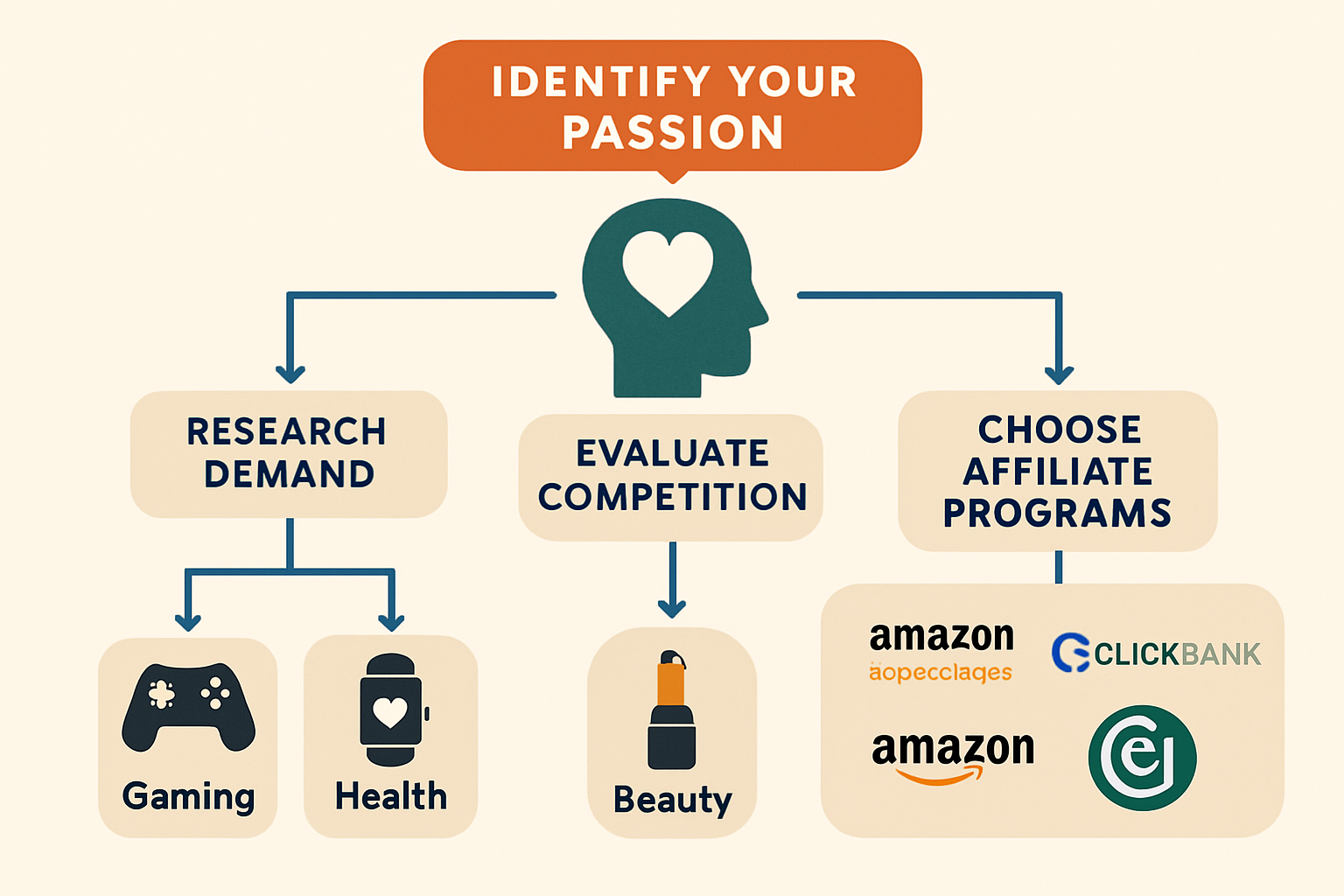
The key to successful affiliate marketing without a website lies in strategically utilizing platforms where you can reach your target audience and place your affiliate links effectively. In 2025, the options are plentiful and ever-evolving.
Social Media Powerhouses
Social media platforms are perhaps the most accessible and powerful tools for affiliate marketing without a website. They offer built-in audiences and diverse content formats.
- TikTok: Short-form video content is king. Create engaging, entertaining, and informative videos reviewing products, demonstrating their use, or sharing tutorials. Use the link in your bio (Linktree or similar service can host multiple links) or leverage TikTok’s in-app shopping features if available.
- Instagram: Visually-driven platform perfect for product showcases, lifestyle integration, and influencer-style marketing. Use stories with swipe-up links (if eligible), link in bio, or Instagram Shopping features. Reels are particularly powerful for reaching new audiences.
- YouTube: The second-largest search engine, ideal for longer-form reviews, unboxings, tutorials, and comparison videos. Place affiliate links prominently in your video descriptions and pinned comments. This is a fantastic option for those who enjoy creating video content.
- Facebook Groups/Pages: Join or create niche-specific Facebook groups. Engage authentically, provide value, and subtly recommend products where appropriate. Avoid spamming, as this can lead to being banned. A dedicated Facebook Page can also serve as a hub for your content and links.
- Pinterest: A visual search engine, not just a social media platform. Create visually appealing pins that link directly to product pages or informative blog posts (even if it’s on a free platform like Medium). Pinterest users are often in a buying mindset, actively searching for ideas and products.
- Twitter/X: While character-limited, you can use threads to tell a story or review a product, with the final tweet containing your affiliate link. Engage in relevant conversations and offer solutions.
Crucial Tip: Always check the specific platform’s guidelines regarding affiliate links. Some platforms have stricter rules than others, and direct linking might not always be permitted. Many require a bridge page or link-in-bio tool.
Email Marketing (Building Your Own List)
While not a direct platform for promotion in the same way social media is, building an email list is arguably the most powerful long-term strategy for affiliate marketing without a website. You can gather emails through:
- Lead magnets: Offer a free e-book, checklist, or mini-course in exchange for an email address (promoted via social media or paid ads).
- Contests and giveaways: Collect emails as entries.
- Opt-in forms on landing pages: As mentioned before, a simple landing page can serve this purpose.
Once you have an email list, you have a direct line of communication with an interested audience. You can send newsletters, product recommendations, and special offers, all with your affiliate links embedded. The beauty of email is that you “own” this audience, unlike social media where algorithms can change overnight. Tools like Mailchimp or ConvertKit offer free tiers for beginners.
Online Communities and Forums
Forums like Reddit, Quora, and other niche-specific communities can be goldmines for affiliate marketing if approached correctly.
- Reddit: Find subreddits related to your niche. Participate genuinely, answer questions, and build a reputation as a helpful member. When appropriate and allowed by the subreddit rules, you can then share a relevant product recommendation with your affiliate link (often requires a disclosure).
- Quora: Answer questions related to your niche, providing detailed and helpful information. Within your answer, you can subtly suggest a product as a solution, including your affiliate link. Again, value first, promotion second.
Warning: Spamming these communities with blatant affiliate links is a surefire way to get banned. Your goal is to be a valued contributor, not a pushy salesperson.
Paid Advertising Without a Website
Paid ads offer a way to generate traffic quickly and scale your efforts. While they require an upfront investment, they can be highly effective for affiliate marketing without a website.
- Social Media Ads (Facebook/Instagram Ads, TikTok Ads): Target specific demographics, interests, and behaviors. You can link directly to a merchant’s offer or use a landing page to pre-sell or capture leads.
- Google Ads (Search & Display): Bid on keywords related to the products you’re promoting. This is often more suited for direct linking to high-converting offers or bridge pages.
- Native Ads: Ads that blend into the content of a publisher’s site, like those found on Taboola or Outbrain. These often lead to a bridge page.
Paid advertising demands careful budgeting and testing, but it can significantly accelerate your growth. For beginners, it’s often wise to start with free methods to understand your audience and product before investing heavily in ads.
Choosing Your Niche and Affiliate Programs
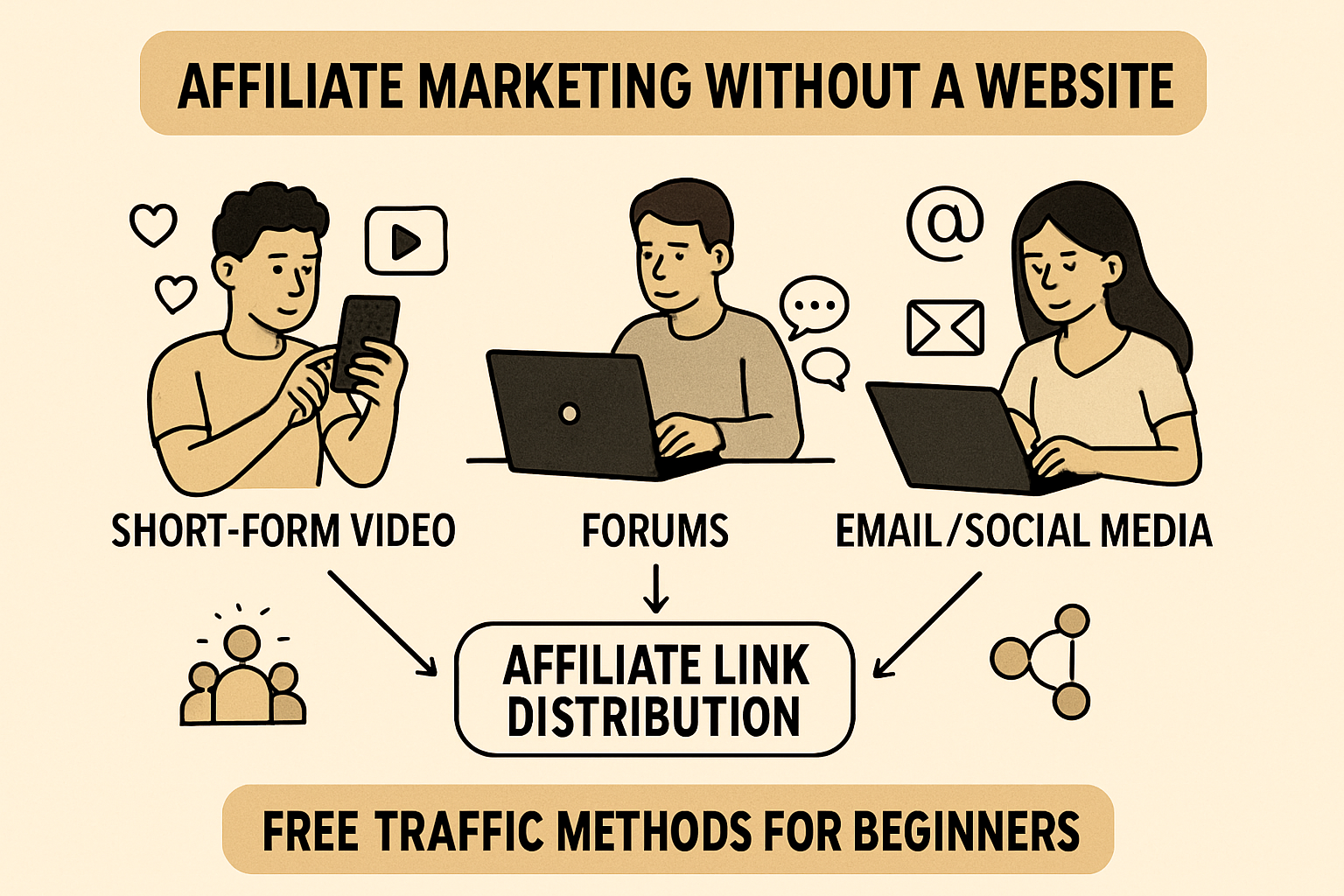
The foundation of successful affiliate marketing without a website (or with one!) is choosing the right niche and finding reputable affiliate programs.
Niche Selection: Your Path to Focus
Your niche is the specific segment of the market you’ll focus on. A good niche is:
- Something you’re passionate about: This makes content creation enjoyable and authentic.
- Profitable: There’s demand for products in this area, and companies are willing to pay commissions.
- Not overly saturated (but not too niche): You want enough audience without being drowned out by competition.
Example Niches:
- Sustainable home living 🌿
- Budget travel hacks ✈️
- Gaming accessories for streamers 🎮
- Productivity tools for remote workers 🧑💻
- Healthy meal prep for busy parents 🥗
When I started, I gravitated towards productivity tools because I used them daily. It was easy to talk about their benefits, create tutorials, and genuinely recommend them, which resonated with my small audience. This authenticity is key.
Finding the Right Affiliate Programs
Once you have a niche, it’s time to find products to promote. Look for products that align with your audience’s needs and interests.
- Affiliate Networks: These platforms connect affiliates with thousands of merchants. Popular ones include:
- ShareASale: Great for physical and digital products across many niches.
- ClickBank: Primarily digital products (e-books, courses, software) often with higher commissions.
- Rakuten Marketing (formerly LinkShare): Features many well-known retail brands.
- Amazon Associates: Massive selection of physical products. While commissions can be lower, the conversion rate is high due to Amazon’s trust. Learn more about Amazon Affiliate Marketing 2025.
- Impact.com: Growing network with many established brands.
- For a broader view of opportunities, check out our guide on Top Affiliate Marketing Programs in 2025.
- Direct Merchant Programs: Many companies offer their own in-house affiliate programs. You can often find these by searching “[Product Name] affiliate program” or “[Company Name] affiliate.” These can sometimes offer higher commissions as there’s no network middleman.
- High-Ticket vs. Low-Ticket:
- Low-ticket products: Smaller commissions per sale, but potentially higher volume. Good for beginners.
- High-ticket products: Larger commissions per sale, but often fewer sales due to higher price points. These can be very lucrative once you’ve built trust. For more on this, see Affiliate Programs Earn 100 Per Sale.
Pro Tip: Always read the terms and conditions of any affiliate program carefully. Pay attention to commission rates, cookie duration (how long a click is tracked), payment thresholds, and permitted promotional methods.
Product & Niche Selection Assistant 🕵 ️♂ ️
Use this tool to guide your initial choices for affiliate marketing without a website. Select your interests and preferred product type to get tailored advice.
Your personalized advice will appear here.
Traffic Generation for Affiliate Marketing Without a Website
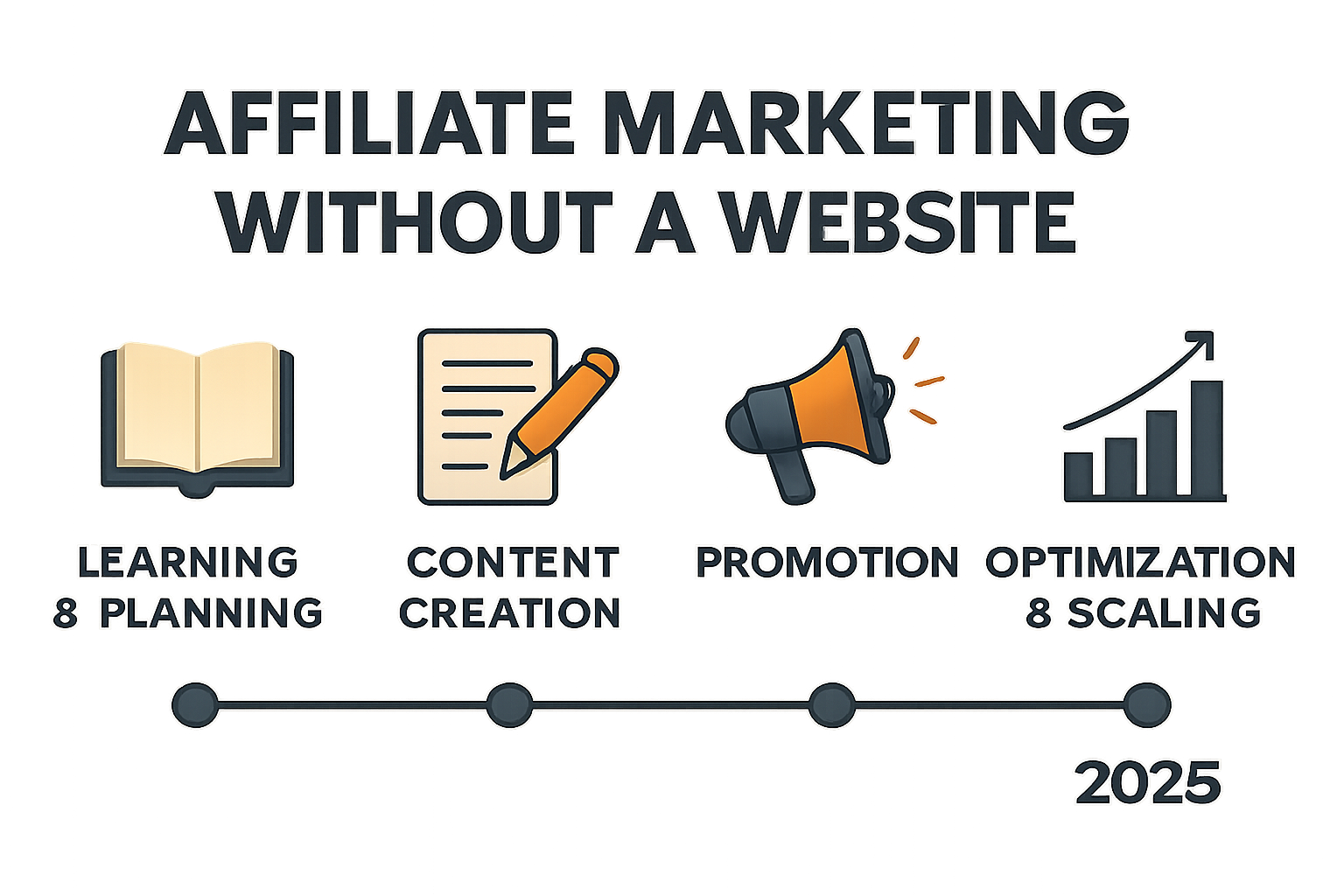
Generating traffic is the lifeblood of affiliate marketing. Without eyeballs on your offers, you won’t make sales. For affiliate marketing without a website, your traffic strategies will primarily revolve around leveraging the reach of third-party platforms.
Free Traffic Methods
These methods require time and effort but no direct monetary investment.
- Content Marketing on Social Platforms:
- Educational Content: Create tutorials, how-to guides, and informational posts related to your niche. If you’re in the fitness niche, you might post a “5-minute home workout” video and recommend specific equipment.
- Review Content: Share honest reviews of products you use and genuinely recommend. This builds trust.
- Comparison Content: Compare different products in your niche, highlighting pros and cons.
- Problem/Solution Content: Identify common problems your audience faces and present affiliate products as effective solutions.
- Engagement in Online Communities:
- Active Participation: Join relevant Facebook groups, Reddit subreddits, or forums. Answer questions, offer advice, and become a valued member.
- Strategic Sharing: When appropriate and permitted, share your content (e.g., a YouTube review) or directly recommend a product with your affiliate link, ensuring you disclose it.
- SEO for YouTube/Pinterest:
- Keyword Research: Even without a website, you can optimize your YouTube video titles, descriptions, and tags, or Pinterest pin descriptions with relevant keywords to rank higher in their respective search results.
- Trending Topics: Capitalize on trending topics in your niche to gain visibility.
- Guest Posting/Collaborations (Limited): While typically associated with websites, you can sometimes guest post on other people’s blogs (if they allow links to your social profiles or a bridge page) or collaborate with other creators on social media for cross-promotion.
My own experience with free traffic involved consistently creating short, helpful tutorial videos on TikTok and Instagram Reels for a specific software. I wasn’t just pushing the product; I was showing how it solved common pain points. Slowly, people started asking for the link, and that’s when the commissions began to trickle in. It wasn’t instant, but it was incredibly rewarding because I built a small, engaged community around helpful content. For those looking for comprehensive strategies, our Affiliate Marketing for Beginners 2025 guide offers broader insights.
Paid Traffic Methods
Paid traffic offers scalability and faster results, but it requires careful management.
- Social Media Ads: As discussed, platforms like Facebook, Instagram, and TikTok allow highly targeted advertising. You can promote your video reviews, product comparisons, or lead magnets directly to potential customers.
- Search Engine Marketing (SEM): Google Ads allows you to place ads directly in search results. This is highly effective if you can bid on keywords related to products people are actively searching for (e.g., “best noise-cancelling headphones review”). You often need a landing page for this.
- Influencer Marketing: Collaborate with micro-influencers in your niche who have an engaged audience. They promote your chosen product (with your affiliate link or theirs, and you get a cut if you’re the merchant) to their followers.
Important Considerations for Paid Traffic:
- Budgeting: Start small, test different ad creatives and targeting options.
- Tracking: Monitor your ad performance closely to ensure a positive Return on Ad Spend (ROAS).
- Compliance: Ad platforms have strict rules about affiliate marketing. Always check their policies.
Best Practices and Future Outlook for Affiliate Marketing Without a Website
Succeeding in affiliate marketing without a website in 2025 isn’t just about throwing links out there. It’s about building trust, providing value, and adapting to the ever-changing digital landscape.
Building Trust and Credibility
Because you don’t have a personal website to establish authority, your personal brand and integrity become even more critical.
- Authenticity: Promote products you genuinely believe in and ideally, use yourself. Your audience can spot insincerity a mile away.
- Transparency: Always disclose your affiliate relationship. The FTC requires it [1]. A simple “#ad,” “#affiliate,” or a clear statement in your content builds trust and is legally compliant.
- Value Over Sales: Focus on solving problems, educating, and entertaining your audience first. The sales will naturally follow if you provide enough value.
- Engage with Your Audience: Respond to comments, answer questions, and build a community around your content.
Legal and Ethical Considerations
- FTC Disclosure Requirements: In the United States, the Federal Trade Commission (FTC) mandates that affiliates disclose their relationships with merchants. This applies across all platforms – social media, videos, email, etc.
- Platform-Specific Rules: Each social media platform and ad network has its own terms of service regarding affiliate links. Violating these can lead to account suspension. Always read them carefully.
- Privacy Policies: If you collect email addresses, you need a basic privacy policy. Even a simple one hosted on a free platform or a shared document link can suffice for basic compliance.
Leveraging New Technologies in 2025
The digital world is dynamic. Staying ahead means embracing new trends.
- AI for Content Creation: Use AI tools to help brainstorm content ideas, draft social media captions, or even script short video reviews.
- Live Shopping and Interactive Content: Platforms are increasingly integrating live shopping features. Participate in these to showcase products in real-time and engage with your audience directly.
- Niche Micro-Communities: Beyond large platforms, look for smaller, highly engaged niche communities (e.g., Discord servers, specialized forums) where you can provide expert advice.
- Video-First Strategy: Video content continues its dominance. If you’re not already, consider integrating short-form (TikTok, Reels) and long-form (YouTube) video into your strategy.
Scaling Your Affiliate Marketing Efforts
Once you start seeing consistent results, you can scale your affiliate marketing without a website.
- Diversify Platforms: Don’t put all your eggs in one basket. If one platform performs well, explore others to broaden your reach.
- Build an Email List: This gives you a direct communication channel you control, independent of platform algorithms.
- Explore Paid Advertising: Once you have a proven offer and content, paid ads can significantly amplify your reach.
- Automate Processes: Use tools for scheduling social media posts, managing email campaigns, or tracking links.
- Reinvest in Learning: Stay updated on new strategies, tools, and platform changes. Continuously refine your skills. You can always check out GolisGuide for ongoing learning resources.
Conclusion
The journey of affiliate marketing without a website in 2025 is more viable and exciting than ever before for beginners. It offers an incredible opportunity to enter the world of online entrepreneurship with minimal upfront investment and technical know-how. By leveraging the power of social media, email marketing, and online communities, focusing on providing genuine value, and building trust with your audience, you can carve out a profitable niche for yourself.
Remember, success doesn’t happen overnight. It requires consistent effort, a willingness to learn, and adaptability. Start by choosing a niche you’re passionate about, identifying relevant affiliate programs, and then dedicating yourself to creating engaging content and building an audience on platforms where they already gather. Be transparent, be helpful, and watch as your efforts translate into commissions. This path is less about owning a digital storefront and more about being a trusted guide in the vast digital marketplace. So, take the leap, start experimenting, and begin your affiliate marketing journey today!
Actionable Next Steps:
- Identify Your Niche: Spend an hour brainstorming 3-5 topics you’re passionate about and where you see a genuine need for products.
- Choose 1-2 Platforms: Select the social media platforms where you feel most comfortable creating content (e.g., TikTok for short videos, YouTube for reviews).
- Research Affiliate Programs: Sign up for an affiliate network like ShareASale or Amazon Associates and explore programs relevant to your chosen niche.
- Create Your First Piece of Content: Start small! Post a genuine product review video, write a helpful answer on Quora, or share an engaging photo with a product recommendation.
- Disclose, Disclose, Disclose: Make it a habit to clearly disclose your affiliate links in all your promotions.