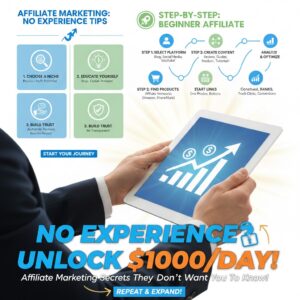

Have you ever wondered how some businesses seem to effortlessly scale their reach and revenue in the digital landscape? The secret often lies in the powerful synergy between affiliate marketing and digital marketing. In an increasingly competitive online world, simply having a great product or service isn’t enough. You need to connect with your audience, build trust, and drive action. This is precisely where the integrated power of affiliate marketing and digital marketing shines, offering a robust framework for growth in 2025 and beyond.
For years, I’ve seen countless entrepreneurs and businesses grapple with the complexities of online promotion. The truth is, digital marketing is a vast ocean, and affiliate marketing is a specialized, highly effective current within it. Understanding how these two forces intertwine is not just beneficial—it’s absolutely critical for anyone looking to build a sustainable, profitable online presence. This comprehensive guide will demystify the relationship between affiliate marketing and digital marketing, providing you with actionable insights and strategies to thrive in the current digital ecosystem.
Key Takeaways
- Affiliate marketing is a performance-based subset of digital marketing: It leverages external partners (affiliates) to promote products/services, paying them a commission for sales or leads generated.
- Digital marketing provides the essential infrastructure for affiliate success: Tactics like SEO, content marketing, social media, and email marketing are crucial for affiliates to attract and convert their audience.
- Integration is key for maximum impact: Businesses and affiliates alike benefit immensely from a holistic strategy that seamlessly blends traditional digital marketing channels with affiliate outreach.
- Data-driven optimization is non-negotiable in 2025: Success in both affiliate marketing and digital marketing hinges on continuous analysis of performance metrics and agile strategy adjustments.
- Ethical practices and transparency build trust: Long-term success relies on maintaining strong relationships with partners and audiences, adhering to disclosure requirements, and offering genuine value.
Understanding the Landscape: affiliate marketing and digital marketing Defined
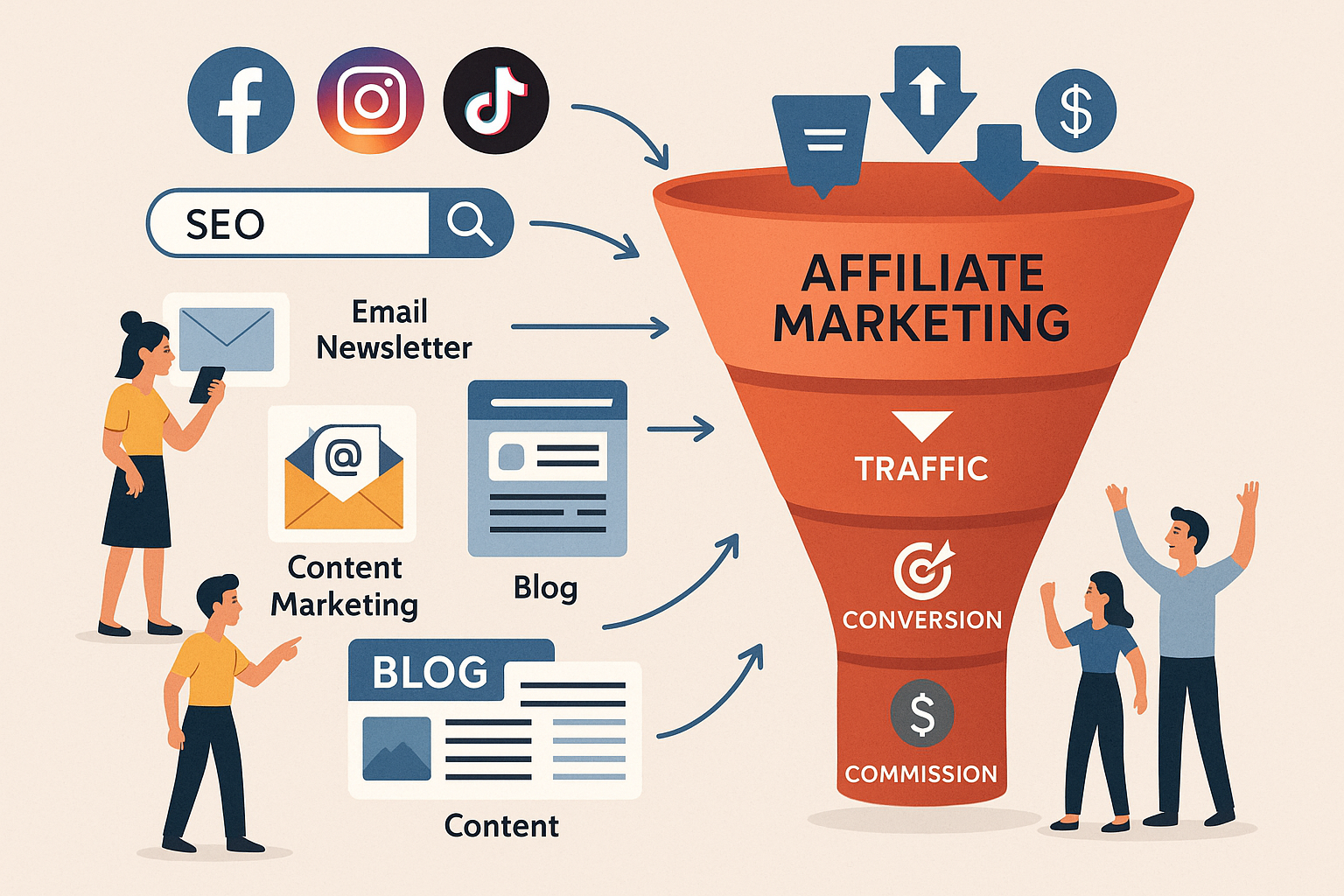
At its core, affiliate marketing is a performance-based marketing strategy where a business rewards one or more affiliates for each visitor or customer brought by the affiliate’s own marketing efforts. Think of it as outsourced sales, where you only pay for results. It’s a win-win: merchants gain exposure and sales without upfront advertising costs, and affiliates earn commissions by promoting products they believe in.
Digital marketing, on the other hand, is a much broader term encompassing all marketing efforts that use an electronic device or the internet. Businesses leverage digital channels such as search engines, social media, email, and other websites to connect with current and prospective customers. It’s the entire ecosystem of online promotion, brand building, and customer engagement.
For many years, some viewed affiliate marketing as a niche tactic, separate from the mainstream of digital marketing. However, this perspective is outdated. In 2025, the reality is that affiliate marketing is not just a part of digital marketing; it’s an incredibly powerful and integrated component that can amplify overall digital strategies.
The Interplay: How Digital Marketing Fuels Affiliate Marketing
Imagine an affiliate, Sarah, who promotes organic coffee beans. For her to succeed, she needs to attract an audience interested in coffee. How does she do this? Through various digital marketing channels:
- Search Engine Optimization (SEO): Sarah writes blog posts about “best organic coffee beans 2025” or “sustainable coffee brands,” optimizing them for search engines so potential customers find her content when they search online.
- Content Marketing: Beyond blog posts, she creates engaging videos reviewing different coffee brands, infographics explaining fair trade practices, and downloadable guides on brewing the perfect cup. This content provides value and naturally incorporates her affiliate links.
- Social Media Marketing: Sarah shares her content on Instagram, Facebook, and TikTok, engaging with coffee enthusiasts, running polls, and showcasing the lifestyle associated with organic coffee. Her posts subtly integrate calls to action and direct links.
- Email Marketing: She builds an email list by offering a free “Coffee Lover’s Starter Guide.” Through her newsletter, she nurtures her subscribers, sharing exclusive content, new product recommendations (with affiliate links), and special deals.
- Paid Advertising (PPC): In some cases, Sarah might run targeted ads on Google or social media, directing traffic to her reviews or landing pages, where her affiliate links are prominently displayed.
Without these foundational digital marketing efforts, Sarah’s affiliate business would flounder. She wouldn’t be able to reach her target audience, build authority, or drive traffic to the products she promotes. This illustrates a crucial point: effective affiliate marketing is deeply reliant on strong digital marketing practices.
The Merchant’s Perspective: Leveraging Affiliates in a Digital Strategy
From the merchant’s side, integrating an affiliate program into their overall digital marketing strategy can yield significant benefits. Instead of solely relying on their in-house teams for every marketing channel, they empower a network of passionate advocates.
For example, a new e-commerce store selling eco-friendly pet products might struggle to gain traction in a crowded market. By setting up an affiliate program, they can:
- Expand Reach Instantly: Partner with pet bloggers, Instagram influencers focusing on sustainable living, and even veterinarians who have an online presence. These affiliates already have established audiences that align with the brand’s target demographic.
- Gain Credibility Through Third-Party Endorsement: People often trust recommendations from individuals or content creators more than direct advertising from a brand. An affiliate’s authentic review can be far more persuasive than a company’s sales pitch.
- Optimize ROI: Since merchants only pay commissions on successful sales or leads, the risk associated with marketing spend is significantly reduced. It’s a highly efficient way to acquire customers.
- Diversify Traffic Sources: Instead of relying heavily on paid ads or a single organic channel, affiliates bring traffic from various platforms, making the merchant’s customer acquisition strategy more resilient.
My personal experience running several e-commerce brands reinforces this. I once launched a niche subscription box and found that traditional Facebook ads were becoming prohibitively expensive. By onboarding a small army of mommy bloggers and YouTube reviewers through an affiliate program, our customer acquisition cost dropped by 30%, and our reach into a highly specific demographic exploded. It was a game-changer for our growth trajectory in that particular market.
The Pillars of Success: Key Digital Marketing Strategies for Affiliate Marketers in 2025
To truly excel in affiliate marketing and digital marketing in 2025, a multi-faceted approach is essential. Here, I’ll delve into the core digital marketing strategies that empower affiliates and merchants alike.
1. Content Marketing: The Bedrock of Trust and Authority
Content is king, queen, and the entire royal court in the digital realm. For affiliate marketers, high-quality, valuable content is the primary vehicle for attracting, engaging, and converting an audience.
- Blog Posts & Reviews: Detailed product reviews, comparison articles, “how-to” guides, and problem-solving content are evergreen assets. When writing, focus on providing genuine insights, pros and cons, and personal experiences. For example, instead of just saying “this blender is good,” explain why it’s good, how it compares to others, and what kind of smoothies you’ve made with it.
- Video Marketing: Platforms like YouTube and TikTok are goldmines. Video reviews, unboxings, tutorials, and lifestyle content resonate deeply with audiences. Demonstrating a product in action builds immense trust and helps overcome purchase hesitations. In 2025, short-form video content continues its dominance, so mastering platforms like TikTok and Instagram Reels is paramount.
- Podcasting: For those who prefer audio, podcasts offer an intimate way to connect with an audience. Discuss industry trends, interview experts, or simply share insights, naturally weaving in product recommendations.
- Infographics & Visual Content: Complex information can be digestible and shareable through visually appealing infographics. These are excellent for social media and can drive traffic back to your affiliate site.
Personal Anecdote: Early in my affiliate journey, I spent weeks crafting a single, exhaustive review for a popular software product. It was over 5,000 words, included screenshots, video tutorials, and answered every possible question a user might have. That one piece of content, optimized for SEO, consistently ranked #1 for its primary keyword for over three years, generating hundreds of thousands in commissions. The lesson? Quality over quantity, always. 🚀
2. Search Engine Optimization (SEO): Becoming Discoverable
Even the best content is useless if no one can find it. SEO is the art and science of getting your content to rank high on search engines like Google.
- Keyword Research: Identify the terms your target audience uses when searching for products or solutions related to your niche. Tools like Ahrefs, SEMrush, and Google Keyword Planner are indispensable. Look for long-tail keywords (e.g., “best noise-canceling headphones for remote work 2025”) which often have lower competition and higher conversion intent.
- On-Page SEO: Optimize your content with your target keywords in the title, headings (H1, H2, H3), meta description, and naturally within the body text. Ensure your website loads quickly, is mobile-friendly, and has a clear structure.
- Technical SEO: Focus on site speed, mobile responsiveness, XML sitemaps, and structured data. These technical elements ensure search engine bots can crawl and index your site effectively.
- Link Building (Off-Page SEO): Earning high-quality backlinks from authoritative websites signals to search engines that your content is trustworthy and valuable. This can be achieved through guest posting, broken link building, or simply by creating genuinely great content that others naturally want to link to.
3. Social Media Marketing: Building Community and Engagement
Social media isn’t just for sharing cat videos anymore. It’s a powerful tool for building a community, engaging with your audience, and driving traffic to your affiliate offers.
- Platform Selection: Don’t try to be everywhere. Choose platforms where your target audience spends most of their time. Instagram and TikTok are great for visual products; Facebook for broader communities; LinkedIn for B2B; Pinterest for visual discovery.
- Consistent Engagement: Post regularly, respond to comments and messages, run polls, and ask questions. Build relationships, don’t just broadcast sales pitches.
- Influencer Marketing (A form of affiliate marketing itself): Collaborating with micro-influencers in your niche can significantly expand your reach and credibility. Many influencers operate on an affiliate model, earning commissions for sales they drive.
- Live Streams & Q&A Sessions: These interactive formats allow for real-time engagement and can be highly effective for demonstrating products and answering audience questions, leading to higher conversions.
4. Email Marketing: Nurturing Leads and Driving Conversions
Email remains one of the most effective digital marketing channels for conversion. It allows you to communicate directly with an engaged audience.
- List Building: Offer valuable incentives like free e-books, exclusive guides, or discount codes in exchange for email addresses.
- Segmentation: Segment your audience based on their interests, past purchases, or engagement levels. This allows you to send highly targeted and relevant emails.
- Automated Sequences: Set up welcome sequences for new subscribers, abandoned cart reminders, and follow-up emails after a purchase or click on an affiliate link.
- Value-Driven Content: Don’t just blast promotional emails. Share exclusive content, tips, industry news, and then subtly integrate your affiliate recommendations. The 80/20 rule often applies: 80% value, 20% promotion.
5. Paid Advertising (PPC): Accelerating Traffic
While affiliate marketing often relies on organic traffic, paid advertising can be a powerful accelerator, especially for testing offers or scaling successful campaigns.
- Google Ads: Target users actively searching for specific products or solutions. This is highly effective for direct-response affiliate offers.
- Social Media Ads (Facebook Ads, Instagram Ads, TikTok Ads): Leverage demographic and interest-based targeting to reach highly specific audiences. Retargeting ads are particularly powerful for bringing back users who previously interacted with your content or clicked an affiliate link.
- Native Advertising: Ads that blend seamlessly with the surrounding content on a webpage can be very effective, especially for content-heavy affiliate campaigns.
In 2025, the landscape of paid advertising is increasingly complex due to evolving privacy regulations and AI-driven optimization. Staying abreast of these changes and adapting your strategies is vital.
Building a Robust affiliate marketing and digital marketing Strategy in 2025
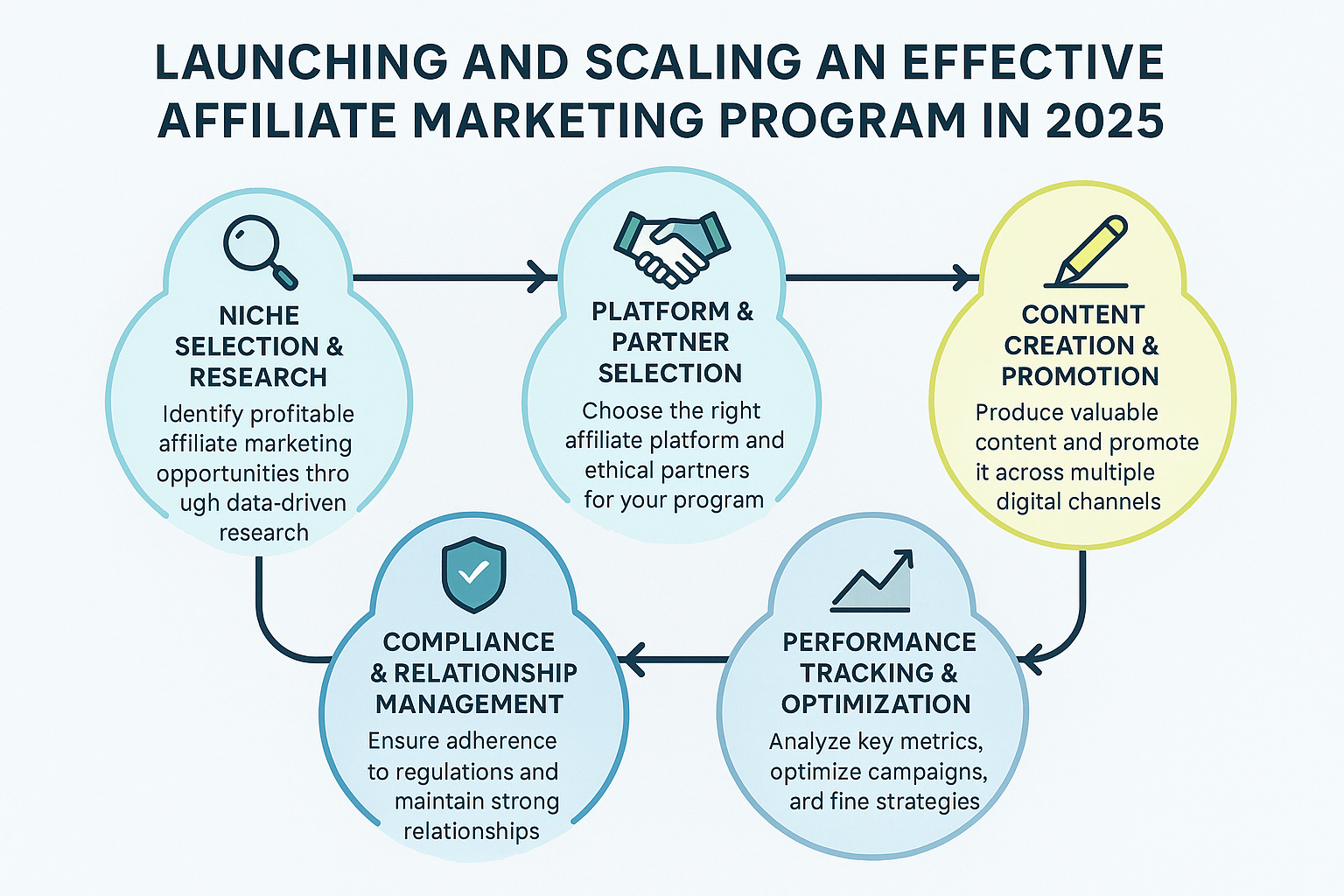
Creating a successful strategy involves more than just implementing individual tactics; it’s about weaving them together into a cohesive fabric. Here’s how to approach it.
Step 1: Niche Selection and Research 🧐
This is perhaps the most critical first step. A profitable niche is one where there’s sufficient demand, a good supply of relevant products/services, and manageable competition.
- Identify Your Passion & Expertise: What topics genuinely excite you? Your enthusiasm will shine through and make content creation easier.
- Market Research: Use tools like Google Trends, Amazon Bestsellers, and affiliate network marketplaces (ClickBank, ShareASale, CJ Affiliate) to identify trending products and profitable categories. Look for evergreen niches (health, wealth, relationships) as well as emerging trends.
- Audience Analysis: Who is your target audience? What are their pain points, desires, and online behaviors? Understanding your audience is foundational to all subsequent digital marketing efforts.
Step 2: Platform and Partner Selection 🤝
Once you have your niche, choose the right platforms and affiliate networks.
- Affiliate Networks: Join reputable networks that host a wide range of offers relevant to your niche.
- Amazon Associates: Great for physical products.
- ClickBank / Digistore24: Dominant for digital products (e-books, courses, software).
- ShareASale / CJ Affiliate / Rakuten Advertising: Offer a mix of physical and digital products from well-known brands.
- Website/Content Platform: Decide whether you’ll focus on a blog, a YouTube channel, a podcast, or a combination. A self-hosted website (WordPress is popular) offers the most control and flexibility for SEO.
Step 3: Content Creation and Promotion ✍️
This is where your digital marketing muscle comes into play.
- Strategic Content Calendar: Plan your content around seasonal trends, product launches, and evergreen topics.
- SEO-Driven Content: Every piece of content you create should be optimized for relevant keywords, aiming to rank high in search results.
- Diverse Formats: Don’t limit yourself to text. Incorporate videos, infographics, podcasts, and interactive elements.
- Multi-Channel Promotion: Don’t just publish and pray. Share your content across all your active social media channels, email lists, and consider paid promotion to boost initial visibility.
Step 4: Performance Tracking and Optimization 📈
The beauty of affiliate marketing and digital marketing is its measurability. Data is your best friend.
- Analytics Tools: Use Google Analytics, your affiliate network dashboards, and platform-specific insights (e.g., YouTube Analytics) to track traffic sources, conversions, bounce rates, and user behavior.
- A/B Testing: Continuously test different headlines, calls to action, landing page layouts, and even product recommendations to see what resonates best with your audience.
- Conversion Rate Optimization (CRO): Focus on improving the percentage of visitors who complete a desired action (e.g., click an affiliate link, make a purchase). This could involve refining your content, improving page speed, or clarifying your value proposition.
- Affiliate Link Management: Use link cloaking (e.g., through plugins like Pretty Links for WordPress) to make your links look cleaner and trackable. Ensure you’re complying with disclosure requirements.
Step 5: Compliance and Relationship Management 🛡️
In 2025, transparency and ethical practices are paramount.
- Disclosure: Always clearly disclose your affiliate relationships to your audience. The Federal Trade Commission (FTC) in the US and similar bodies globally require this. A simple disclaimer at the top of your content or near your links is usually sufficient.
- Build Relationships: For affiliates, foster strong relationships with your audience and the merchants you promote. For merchants, maintain excellent communication with your affiliates, providing them with necessary tools and support.
- Stay Updated: The digital marketing landscape is constantly evolving. Keep abreast of changes in SEO algorithms, social media platform policies, and privacy regulations.
My journey in this space has taught me that building long-term trust with your audience is more valuable than any quick win. I once saw an affiliate promote a product solely for a high commission, despite it being low-quality. While they made some initial sales, their audience quickly lost faith, and their brand never recovered. Authenticity pays dividends in the long run.
The Future of affiliate marketing and digital marketing in 2025 and Beyond
The digital landscape is ever-changing, and 2025 is no exception. Several trends are shaping the future of affiliate marketing and digital marketing:
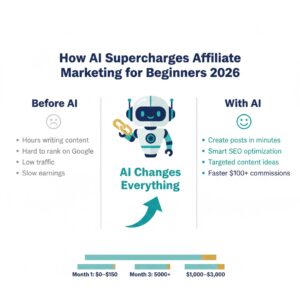
- AI and Automation: AI will continue to revolutionize content creation (AI-assisted writing tools), data analysis, personalization (AI-powered recommendations), and even ad targeting. Affiliates and merchants who embrace AI tools will gain a significant competitive advantage.
- Hyper-Personalization: Generic marketing messages are becoming obsolete. Audiences expect highly tailored content and offers. Digital marketers and affiliates must leverage data to deliver personalized experiences at every touchpoint.
- Video Dominance: Short-form video (TikTok, Instagram Reels, YouTube Shorts) will remain a powerhouse for discovery and engagement. Long-form video will continue to build deeper connections and authority.
- Privacy-First Marketing: With increasing regulations and consumer awareness, data privacy will dictate how digital marketing and affiliate tracking are conducted. Emphasis will shift towards first-party data and transparent practices.
- Creator Economy Growth: The rise of individual content creators and micro-influencers will further fuel affiliate marketing. Brands will increasingly partner with these niche experts to reach highly engaged communities.
- Interactive Content: Quizzes, polls, calculators, and interactive infographics will become more prevalent, boosting engagement and data collection.
Navigating these trends requires agility and a commitment to continuous learning. The core principles of providing value, building trust, and understanding your audience will remain timeless, but the tools and tactics to achieve them will evolve.
Conclusion: Synthesizing Success in affiliate marketing and digital marketing
The journey to mastering affiliate marketing and digital marketing is a marathon, not a sprint. It demands dedication, strategic thinking, and a willingness to adapt. What we’ve explored throughout this article highlights that affiliate marketing isn’t a standalone strategy; it’s an intrinsic and powerful component of a holistic digital marketing ecosystem.
In 2025, success hinges on seamlessly integrating SEO, content marketing, social media, email marketing, and potentially paid advertising, all while leveraging the performance-based model of affiliate partnerships. Whether you’re a merchant looking to scale your reach or an aspiring affiliate aiming for financial freedom, understanding this powerful synergy is your roadmap to sustainable growth. Embrace the data, prioritize value for your audience, and always strive for transparency. The digital world is full of opportunities for those who understand how to connect, engage, and convert effectively.
Actionable Next Steps:
- Audit Your Current Strategy: Review your existing digital marketing efforts. Where can you integrate or strengthen affiliate components?
- Invest in Learning: Stay updated on the latest SEO best practices, social media algorithms, and AI tools. Enroll in courses, read industry blogs, and experiment.
- Start Small, Scale Smart: Don’t try to conquer every channel at once. Pick one or two digital marketing channels, master them, and then gradually expand your efforts.
- Prioritize Relationship Building: Whether it’s with your audience, your affiliate partners, or the merchants you promote, strong relationships are the bedrock of long-term success.
- Measure Everything: Set up analytics, track your KPIs, and use data to make informed decisions and continuously optimize your strategies.
By applying these principles and staying adaptable, you’ll be well-equipped to leverage the full power of affiliate marketing and digital marketing to achieve your goals in 2025 and beyond.
Affiliate Marketing Strategy Builder (2025)
Tailor your **affiliate marketing and digital marketing** approach based on your niche and goals.
Your Niche & Audience
Digital Marketing Channels to Leverage
Which digital marketing channels are you planning to use or prioritize for your **affiliate marketing and digital marketing** efforts?